

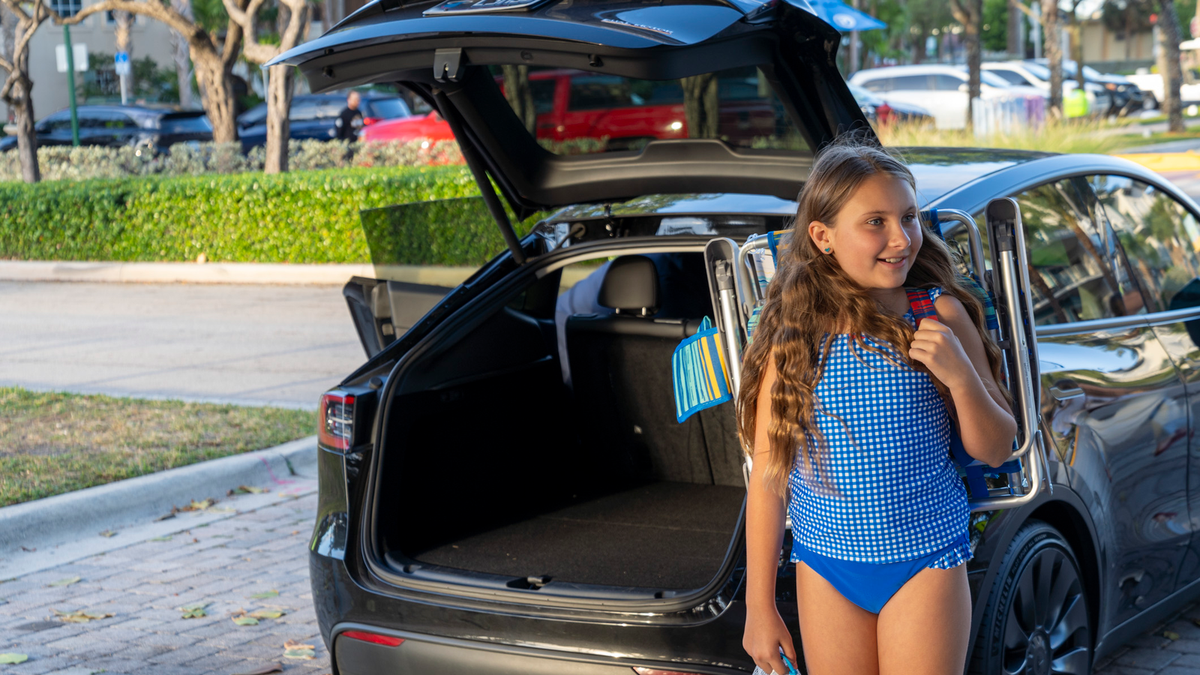
Picture this: it's a perfect Saturday morning, the kind where the sky is already a deep, cloudless blue before 8 a.m. and the kids are bouncing off the walls before breakfast is finished. You're heading to the beach, and everyone in the family is genuinely excited. Then comes the loading process. The heavy folding chairs that pinch fingers and leave rust stains on the car upholstery. The umbrella that takes three adults and a YouTube tutorial to anchor. The bag that's technically a "beach bag" but requires a small army to haul from the parking lot to the waterline. By the time you're set up, the morning is half gone, the adults are already tired, and someone's crying.
Families who hit the beach regularly, not just once a summer but every weekend, every holiday, every chance they get, know this scenario intimately. And they also know that the gear you choose doesn't just affect one beach day. It shapes dozens of them. The wrong equipment doesn't just slow you down; it quietly erodes the joy of a ritual that's supposed to be effortless and restorative.
That's the real argument for investing in lightweight beach chairs and premium portable beach gear. Not the single splurge trip to the Outer Banks. The cumulative math of fifty beach days a year, year after year, when every setup and teardown either works for your family or against it. This article breaks down the seven most compelling reasons frequent beach families consistently find that going lightweight, durable, and well-designed pays off in ways they didn't fully anticipate before making the switch.
1. The Physical Cost of Heavy Gear Adds Up Faster Than You Think
Heavy beach gear is more than an inconvenience. Over a full season of beach trips, carrying oversized, poorly balanced chairs and equipment creates real physical strain, particularly for parents who are simultaneously managing toddlers, coolers, and the logistical chaos of a family beach day. The problem compounds quickly when the parking lot is far from the water, or when the sand is soft and deep, turning every step into a small workout.
Standard folding beach chairs, the kind sold at big-box retailers for bargain prices, typically weigh anywhere from eight to fifteen pounds per chair. For a family of four needing four chairs, that's potentially sixty pounds of seating before you've packed a single snack. Add in a beach umbrella, towels, a cooler, and kids' gear, and the total load becomes genuinely prohibitive. The result is either multiple trips from the car (eating into precious beach time) or a painful single haul that leaves everyone breathless before the fun begins.
Lightweight beach chairs built from modern materials like high-grade aluminum and engineered fabrics can cut per-chair weight dramatically without sacrificing structural integrity. This matters not just for the trek across the sand, but for the entire rhythm of a beach day: setting up, adjusting positions, moving closer to or further from the water, and packing down at the end of the day when the kids are exhausted and everyone just wants to get home.
How to Apply This at Home
Before your next gear purchase, do a practical weight audit. Pick up your current beach chairs fully assembled and walk fifty feet on soft carpet, which simulates sand resistance reasonably well. If you're already straining, that's your answer. When evaluating replacements, look for chairs that weigh under six pounds per unit and come with a dedicated carrying bag that distributes the load comfortably across your shoulder or back. The carrying bag detail matters more than most people realize: a chair that's light but awkward to carry still creates friction at every transition point of the beach day.
Copa's beach chairs with carrying bag are designed around exactly this insight. The integrated carrying solution isn't an afterthought. It's engineered to make the chair genuinely portable, so that "going to the beach" feels like a spontaneous pleasure rather than a logistical production.
2. Durability Is Where Cheap Gear Actually Costs You More
The economics of cheap beach gear are seductive until they aren't. A $25 folding chair looks like a bargain on the shelf. But if it warps, rusts, or breaks mid-season, and it gets replaced two or three times over a summer, the math quickly inverts. Frequent beach families who do this calculation honestly almost always discover they've spent more on disposable cheap chairs over two or three years than a single premium set would have cost upfront.
The beach environment is genuinely punishing to materials. Salt air accelerates corrosion on metal frames. UV exposure degrades fabric faster than almost any other environmental condition. Sand works its way into joints and hinges, creating friction that eventually leads to mechanical failure. Heat cycles, from a hot car to cool ocean breezes and back again, stress plastics and adhesives. Budget gear is rarely engineered to handle all of these simultaneously, which is why so many cheap chairs show visible deterioration within a single season.
Durable beach furniture designed specifically for the coastal environment uses materials selected for their resistance to exactly these conditions. Marine-grade aluminum doesn't rust. Solution-dyed polyester fabrics resist UV fading far longer than standard dyed materials. Reinforced stress points at joints and pivots prevent the failure modes that doom bargain chairs. These aren't marketing claims; they're engineering decisions that reflect a fundamentally different product philosophy.
The Real Cost Comparison
| Gear Category | Typical Lifespan | Cost Over 5 Years | Beach-Ready After Year 1? |
|---|---|---|---|
| Budget big-box chair ($25–$35) | 1–2 seasons | $125–$175+ per chair | ⚠️ Marginal |
| Mid-range retail chair ($60–$80) | 2–3 seasons | $120–$160 per chair | ⚠️ Fading/wear likely |
| Premium lightweight chair (Copa-tier) | 5+ seasons | Cost amortized across years | ✅ Like new |
The durability question also has a sustainability dimension. Gear that lasts five or more years represents significantly less material waste than the cycle of replacing budget chairs every season. For families who care about their environmental footprint, this is a meaningful differentiator. Choosing sustainable and durable outdoor gear isn't just an ethical choice; it's a practical one that aligns with how frequent beach families actually want to live.
3. Portable Beach Chairs Change the Entire Logistics of Your Beach Day
Portability isn't simply about weight. It's about the complete system of getting from your front door to your spot in the sand and back again with the least possible friction. True portable beach chairs are designed with this full journey in mind, not just the weight spec on a hang tag.
Consider what a genuinely portable chair does for a family's beach day. It collapses quickly, without requiring a manual or an engineering degree. It fits into a carrying bag that can be worn on one shoulder or across the back, freeing both hands for kids and other gear. It's compact enough to store in a car trunk alongside all the other beach essentials without requiring strategic packing every single time. And at the end of the day, when everyone is sun-drunk and sandy, it packs down in under a minute.
For families with young children, the hands-free dimension is particularly critical. A parent who's carrying a two-year-old, a diaper bag, and a beach chair has exactly zero free hands for anything else. A chair that requires both arms to carry is a chair that requires either a second adult or a second trip. Neither option is ideal when you're trying to make the beach feel effortless.
The Setup Speed Factor
Beyond transport, portability also encompasses setup speed. Premium portable chairs typically deploy in seconds with intuitive mechanisms that don't require practice runs. This seems like a small convenience until you're standing on a crowded beach with a toddler who wants to run toward the water immediately and a chair that won't cooperate. Setup speed is a stress variable that accumulates across every single beach trip, and eliminating it consistently improves the emotional quality of the day from the first five minutes.
For families who use their beach gear not just at the shore but also at outdoor concerts, sports sidelines, camping trips, and backyard gatherings, true portability multiplies the value of the investment across every use case. A chair that's genuinely easy to carry and deploy gets used more often, in more contexts, delivering more return on the original purchase.
Pair your portable chairs with a well-thought-out packing system, and the entire beach day becomes more seamless. For a complete approach to streamlining your family beach setup, Copa's ultimate family beach packing list is a practical resource worth bookmarking before your next trip.
4. Comfort at Scale: How Better Chairs Make Longer Beach Days Possible
There's a version of beach comfort that most families settle for without realizing they're settling. The slightly-too-low seat that makes standing up a minor ordeal after an hour. The fabric that gets uncomfortably hot in direct sun. The armrests that are either too narrow to be useful or absent entirely. The back angle that's either bolt-upright (exhausting) or completely flat (impractical for parents who need to keep an eye on the kids). Budget chairs are almost universally designed to a price point, and comfort is one of the first casualties of that design constraint.
For families who spend four, five, or six hours at the beach on a regular basis, chair comfort isn't a luxury concern. It's a fundamental determinant of whether the beach day is genuinely restorative or quietly depleting. A parent who spends an afternoon in a chair that strains their lower back or cuts circulation at the back of the knees doesn't arrive home refreshed. They arrive home needing recovery from their day off.
Premium lightweight beach chairs address comfort holistically. Seat height is calibrated for easy entry and exit, particularly important for older family members or parents frequently getting up to attend to children. Fabric selection prioritizes breathability to prevent heat buildup against the skin. Back angle is often adjustable, accommodating different preferences across the family without requiring multiple different chair types. Weight capacity is generous, ensuring the chair performs as designed for the full range of adult body types.
Multigenerational Comfort Considerations
For families that include grandparents or older relatives, chair ergonomics take on additional importance. Getting in and out of a low, tippy chair is a genuine safety consideration for older adults. A well-designed beach chair with appropriate seat height, sturdy armrests, and a stable base isn't just more comfortable for grandparents; it makes the difference between them being able to comfortably participate in family beach days and feeling like they can't.
Copa's chairs are specifically designed with multigenerational use in mind, recognizing that a family beach day often spans three generations with very different physical needs. The design philosophy acknowledges that "beach chair" shouldn't mean "uncomfortable chair that happens to be at the beach." It should mean seating that makes long hours in the sun genuinely pleasant for everyone from toddlers to grandparents.
The comfort equation also affects how long families stay. When everyone is comfortable, beach days naturally extend. Kids get more time in the water. Adults get more time to decompress. The entire experience becomes richer. When chairs are uncomfortable, the subtle pressure to leave early creeps in, shortening the day and reducing the return on all the effort it took to get there.
5. The Anchor System Difference: Why Your Shade Setup Matters as Much as Your Seating
No family beach gear conversation is complete without addressing shade, and specifically, how the shade solution you choose affects the safety, comfort, and stress level of your entire setup. For families with young children, reliable sun protection isn't optional. The American Academy of Dermatology recommends keeping infants under six months entirely out of direct sun, and protecting older children with clothing, hats, sunscreen, and shade structures throughout the day.
The challenge with beach umbrellas and shade structures is that the beach environment creates conditions that make conventional umbrella anchoring genuinely dangerous. Wind at the shoreline is unpredictable and often stronger than it feels, particularly in the afternoon. An umbrella that's insufficiently anchored can become a projectile hazard in a sudden gust, a risk that's well-documented by the U.S. Consumer Product Safety Commission. Standard push-in umbrella poles, the kind that simply screw into the sand a few inches, are consistently inadequate in real beach wind conditions.
This is where Copa's patented Anchor Max® technology represents a genuine engineering advance. Rather than relying on surface-level sand penetration, the Anchor Max® system is designed to create deep, stable purchase in the sand that holds reliably even when wind conditions pick up. The system gives families with shade structures a fundamentally different safety and security profile compared to standard umbrella anchoring methods.
Why the Anchor Matters for the Whole Day's Experience
Beyond safety, a shade structure that stays firmly in place changes the psychological texture of a beach day. When a parent is constantly monitoring an umbrella that's leaning or threatening to tip, that's cognitive load that could be spent on actually enjoying the day. An umbrella that stays put, reliably and without intervention, is one less thing to worry about, and on a busy family beach day, reducing worry is genuinely valuable.
The Anchor Max® system's design also means faster, more confident setup. Instead of tentatively testing whether the umbrella feels secure and then nervously checking it throughout the day, families can set up once and trust the system. This confidence changes the setup experience from anxious to effortless, which sets a better tone for the entire day that follows.
For families purchasing a complete shade and seating system, Copa's bundled offerings, including the Deluxe Bundle and Essentials Bundle, are designed so that the shade and seating components work together as a coordinated system. The spatial relationship between chairs and shade coverage is considered in the design, so the setup that looks good in a product photo is also the setup that works functionally on a real beach with a real family.
6. Bundled Systems Beat Piecemeal Purchasing for Frequent Families
There's a hidden inefficiency in how most families approach beach gear purchasing. They buy a chair here, an umbrella there, a beach bag from another brand, and towels from somewhere else. Over time, the collection accumulates, but it never quite coheres. The umbrella pole doesn't fit the sand anchor from a different brand. The chair bag is too small for the chairs. The color palette is a chaotic mismatch that somehow survives every season because replacing everything at once feels like too much.
For frequent beach families, this piecemeal approach has real costs beyond aesthetics. Gear that wasn't designed to work together often doesn't, creating small incompatibilities and frustrations that compound over time. And the process of sourcing each component separately multiplies the research effort, shipping wait times, and return hassles if something doesn't work.
Bundled beach gear systems solve this comprehensively. When chairs, shade structures, and accessories are designed together by a single brand with a coherent product philosophy, every component is calibrated to complement the others. Dimensions are coordinated. Carrying solutions are sized appropriately. The visual language is unified. And critically for families who care about simplicity, there's one order, one shipment, one customer service relationship if anything needs attention.
The Financial Logic of Bundles
Copa's bundle offerings, including the Deluxe Bundle and Essentials Bundle, are designed around exactly this insight. Free shipping on bundles further simplifies the value calculation: the total delivered cost of a complete, coordinated beach system compares very favorably with the piecemeal alternative once you account for separate shipping costs, time spent researching, and the risk of components that don't work well together.
For gift shoppers, bundles also solve a perennial problem. A premium beach bundle is a genuinely useful, high-quality gift that a beach-loving family will use dozens of times, far more meaningful than a generic gift card or a single-item purchase that may or may not integrate with what the family already has. The bundle format makes it easy to give a complete, coherent experience rather than a single component of one.
Families who are serious about their beach days will also find that a well-chosen bundle eliminates the annual spring ritual of inventorying what survived the previous season and sourcing replacements. When the gear is durable and the system is complete, it simply gets pulled out of storage and used, year after year, without the friction of rebuilding the kit.
For a deeper look at how to think about your complete beach setup, Copa's complete family beach setup guide walks through the full picture of building a system that eliminates chaos rather than creating it.
7. The Intangible Return: What Good Gear Does for Your Family Beach Culture
The most important reason frequent beach families invest in quality gear is the hardest to quantify and the easiest to underestimate. Good gear doesn't just make individual beach days easier. Over time, it shapes the family's entire relationship with the beach as a ritual, a tradition, and a source of shared identity.
Families with reliable, easy-to-use beach gear go to the beach more often. The activation energy required to initiate a beach day is lower when you know setup will be smooth, the gear will work, and teardown won't be an ordeal. When beach days are easy, they become genuinely spontaneous. "Want to hit the beach this afternoon?" becomes a real option, not a logistical undertaking that requires advance planning and mental preparation.
This frequency effect compounds in ways that matter deeply for families with children. The beach days of childhood are the ones that get remembered. The long summer days, the sandcastles, the moments of pure freedom in the water, the late afternoon light on the waves while everyone is tired and happy and connected. These memories are formed in accumulated time, not in single grand occasions. Gear that makes more beach days possible is gear that makes more memories possible.
The Brazilian Beach Culture Influence
Copa's product philosophy draws explicitly from Brazilian beach culture, where the beach isn't an occasional destination but a central part of daily life, community, and joy. In Brazilian beach culture, going to the beach is effortless and frequent precisely because the gear and habits around it are optimized for ease. The chair, the shade, the setup, all of it is designed to get out of the way so the experience itself can be the focus.
This philosophy translates directly into product design decisions. Copa gear is designed for the family that treats the beach as a regular practice, not a once-a-year event. The materials, the portability, the integrated carrying solutions, the shade anchoring, all of it is calibrated for the family that goes often and wants the gear to feel natural and invisible rather than effortful and conspicuous.
Gear as Part of Family Identity
There's also something worth noting about the aesthetic dimension of quality beach gear. Families that take pride in their beach setup, that have gear that looks good and feels good and works reliably, tend to treat their beach time as more intentional and meaningful. The visual coherence of a well-chosen beach setup, the matching chairs, the properly anchored shade structure, the organized carrying system, signals to everyone present that this is a family that values this time and has invested in making it good.
For the kids in the family, growing up with reliable, quality beach gear shapes their expectations and associations around beach time. The beach becomes associated with ease and pleasure rather than frustration and heavy lifting. Those associations carry forward into adulthood, making beach culture something they want to pass on to their own children rather than a complicated memory of lugging heavy stuff across hot sand.
Copa's origin story, rooted in a founder's genuine passion for beach culture and the desire to share it with family, gives the brand's products a human dimension that purely functional gear brands lack. When you invest in Copa gear, you're participating in a product philosophy that genuinely understands why beach days matter and has engineered every detail around making them better. The story of three generations of family beach days that informs Copa's brand is worth reading for any family that takes their beach culture seriously.
How to Choose the Right Lightweight Beach Gear for Your Family's Needs
Understanding why lightweight, durable beach gear matters is one thing. Choosing the right specific products for your family's size, frequency, and use patterns is another. The following decision framework helps frequent beach families evaluate their options systematically rather than defaulting to whatever's cheapest or most visible at retail.
The Frequent Family Gear Selection Framework
| Family Profile | Primary Need | Gear Priority | Bundle Recommendation |
|---|---|---|---|
| Young children (under 5) + 2 adults | Hands-free portability, shade coverage | Lightweight chairs + anchored shade | ✅ Essentials Bundle |
| School-age kids + 2 adults | Comfort for long days, setup speed | Ergonomic chairs + full shade system | ✅ Deluxe Bundle |
| Multigenerational (grandparents included) | Accessibility, ease of entry/exit, stability | Higher seat chairs + maximum shade | ✅ Deluxe Bundle |
| Coastal residents (weekly beach trips) | Durability, corrosion resistance, storage | Marine-grade materials, compact storage | ✅ Either bundle based on family size |
| Vacation travelers (beach destination trips) | Packability, airline/car travel compatibility | Ultra-lightweight, compact folded dimensions | ✅ Essentials Bundle |
Five Questions to Ask Before You Buy
- How many beach days per year does your family realistically do? If the answer is ten or more, the economics of premium gear are almost always favorable compared to budget alternatives that need annual replacement.
- What's the most painful part of your current beach day logistics? If it's the trek across the sand, prioritize weight and carrying system design. If it's setup time, prioritize mechanism simplicity. If it's shade instability, prioritize the anchor system.
- Does your family include anyone with mobility considerations? Grandparents, pregnant family members, or anyone with joint issues should inform seat height and armrest design decisions significantly.
- Where do you store beach gear off-season? If storage space is limited, compact folded dimensions matter as much as deployed weight. Some lightweight chairs fold to genuinely compact sizes; others are light but bulky when stored.
- Do you use beach gear in other contexts? Families who also use their chairs for camping, outdoor concerts, or sports sidelines get substantially more value from a premium investment spread across more use occasions.
Frequently Asked Questions About Lightweight Beach Chairs and Gear
What makes a beach chair genuinely "lightweight" versus just marketed as lightweight?
A genuinely lightweight beach chair weighs under six pounds per unit while still supporting adult weight capacity safely and providing meaningful ergonomic support. Marketing often uses "lightweight" loosely, so always check the actual weight specification. For context, truly portable chairs designed for backpacking can weigh as little as two pounds, but sacrifice comfort and durability. The sweet spot for family beach use is typically four to six pounds per chair, where portability and comfort coexist.
Do lightweight chairs sacrifice durability compared to heavier alternatives?
Not when they're built from the right materials. The correlation between weight and durability is a legacy of older manufacturing, when heavier steel frames were the primary structural option. Modern aerospace-grade and marine-grade aluminum alloys are significantly lighter than steel while matching or exceeding its structural strength. The key is material quality, not weight itself. A well-engineered lightweight chair from a premium brand will outlast a heavy budget chair by several seasons.
How important is the carrying bag for beach chairs?
More important than most buyers initially realize. A dedicated carrying bag transforms a chair from a two-handed carry to a one-shoulder or backpack-style carry, which fundamentally changes what's possible for parents managing children and other gear simultaneously. Look for bags with padded shoulder straps rather than bare webbing straps, which create pressure points over longer distances. The bag should also be sized so the chair packs away without forcing or struggling, which indicates it was designed for the chair rather than added as an afterthought.
What's the safest way to anchor a beach umbrella in sand?
The safest anchoring method creates deep, stable purchase in the sand rather than relying on surface-level insertion. Standard push-in methods that only penetrate a few inches are consistently inadequate in wind. The U.S. Consumer Product Safety Commission has documented umbrella-related injuries from improperly anchored beach umbrellas becoming airborne in wind. Copa's patented Anchor Max® system is designed to address this specific risk with a deeper, more secure anchoring mechanism.
Are beach chair bundles worth buying compared to individual components?
For most families, yes, particularly when the bundle includes free shipping. The financial case is straightforward: bundled pricing typically offers better per-component value than individual purchases, and eliminating separate shipping costs further improves the math. Beyond cost, the functional case is equally strong: components designed together by a single brand are calibrated to work as a system, reducing the incompatibility frustrations that come with mixing gear from different sources.
How do I clean and maintain lightweight beach chairs to maximize their lifespan?
Rinse chairs with fresh water after every beach use to remove salt and sand before they can accumulate in joints and hinges. For fabric components, allow complete drying before storage to prevent mildew. Periodically check pivot points and folding mechanisms for sand buildup and clear them with a soft brush. Store chairs in a cool, dry location off-season, ideally in their carrying bags to protect fabric from dust and UV exposure. Avoid storing chairs in damp areas or in direct sunlight for extended periods.
What weight capacity should I look for in a family beach chair?
For adult use, look for a minimum weight capacity of 250 pounds per chair, with 300 pounds being preferable for versatility across all adult body types. Chairs with lower weight ratings may perform adequately for average users but show accelerated wear and increased failure risk when used at or near their limits. Premium beach chairs from brands like Copa are designed with generous weight ratings that ensure structural integrity and comfort for the full range of adult users without compromise.
Can beach chairs be used on surfaces other than sand?
Most quality beach chairs work well on grass, gravel, pool decks, and other outdoor surfaces, making them versatile for use at outdoor events, camping trips, and backyard gatherings. The key consideration is foot design: chairs with wide feet or rubber-tipped legs perform better on hard surfaces than chairs with narrow or pointed feet designed primarily for sand penetration. If you plan to use chairs across multiple surface types, look for models with feet designed for both sand and hard-surface stability.
How does sun exposure affect beach chair fabric over time, and how can I slow it?
UV exposure is the primary driver of fabric degradation in beach gear. It breaks down dye molecules, causing color fading, and degrades synthetic fibers, reducing tensile strength over time. Solution-dyed polyester, where color is embedded in the fiber rather than applied to its surface, resists UV fading significantly better than surface-dyed alternatives. Rinsing chairs with fresh water after use removes salt that can amplify UV damage when left on fabric. When not in use at the beach, keeping chairs in their carrying bags limits unnecessary UV exposure.
What should I look for in a beach umbrella or shade structure for a family with young children?
For families with young children, prioritize three factors: coverage area (larger is better, targeting at least eight feet of diameter), UPF rating (look for UPF 50+ fabric to block over 98% of UV radiation), and anchoring system security. The anchoring system is arguably the most critical safety factor, since an umbrella that can be dislodged by wind is a hazard to everyone nearby. Copa's Anchor Max® system addresses this directly, providing the deep-sand anchoring that genuinely keeps a family shade structure secure throughout a full beach day with changing wind conditions.
Are there specific beach chair features that matter most for older family members or grandparents?
Seat height is the most important factor for older adults. Chairs with seat heights below twelve inches require significant knee flexion and core strength to exit safely, which can be genuinely difficult for older adults or those with joint issues. Look for chairs with seat heights of sixteen to eighteen inches, sturdy armrests that can bear weight during the standing process, and stable bases that don't tip or rock when someone uses the armrests for support. A chair that's easy and safe to get in and out of independently allows older family members to participate fully in beach days without needing assistance.
How do I know if a beach chair brand is genuinely premium or just premium-priced?
Look for specificity in material descriptions. Brands that genuinely use premium materials will name them: "marine-grade 6061 aluminum," "solution-dyed polyester," "1000D fabric." Vague descriptors like "durable aluminum" or "high-quality fabric" without specifics are a signal that the materials may not justify the price. Also look for meaningful warranty coverage, brands that stand behind their products with multi-year warranties typically have confidence in their manufacturing quality. Finally, look for design details that solve real problems rather than just aesthetic choices, features like integrated carrying bags, reinforced stress points, and purpose-built anchoring systems indicate genuine engineering investment.
Key Takeaways for Frequent Beach Families
- The cumulative math favors premium gear. Frequent beach families who calculate the real cost of replacing budget chairs every one to two seasons consistently find that premium gear is the more economical choice over a three-to-five year horizon.
- Weight affects every transition point of the beach day, not just the walk across the sand. Setup speed, teardown ease, and transport flexibility all depend on how well the gear's portability is engineered.
- Shade anchoring is a safety issue, not just a convenience issue. The Anchor Max® system addresses a documented risk of improperly anchored beach umbrellas becoming hazards in wind. For families with young children, this is non-negotiable.
- Bundled systems eliminate the hidden costs of piecemeal purchasing: separate shipping, incompatibility frustrations, and the time cost of researching each component individually.
- Good gear increases beach day frequency, which compounds the value of the investment and shapes the family's entire relationship with beach culture over time.
- Multigenerational comfort requires intentional design. Seat height, armrest sturdiness, and fabric breathability aren't luxury features; they determine whether every member of the family can genuinely enjoy the day.
- Beach chairs with a carrying bag aren't just more convenient to transport; they're fundamentally more usable for parents managing children and other gear simultaneously.
The best beach families aren't the ones who suffer through bad gear because they don't want to spend money. They're the ones who recognize that the beach is worth investing in, because the hours spent there, the memories made there, and the traditions built there are some of the most valuable things a family can have. Quality gear makes more of those hours possible, more of those memories vivid, and more of those traditions worth continuing. That's the real return on the investment, and it's one that pays forward across every season you spend at the shore.
Ready to see what a complete, coordinated family beach system looks like? Explore Copa's Beach Tips blog for practical guides on making every beach day your family's best one yet.
Shop Now
Learn more →
Share:
Ergonomics on the Beach: What Makes a Chair Actually Comfortable for Long Days
The Seasonal Beach Trip Planning Guide: Choosing the Right Destination and Gear by Time of Year