

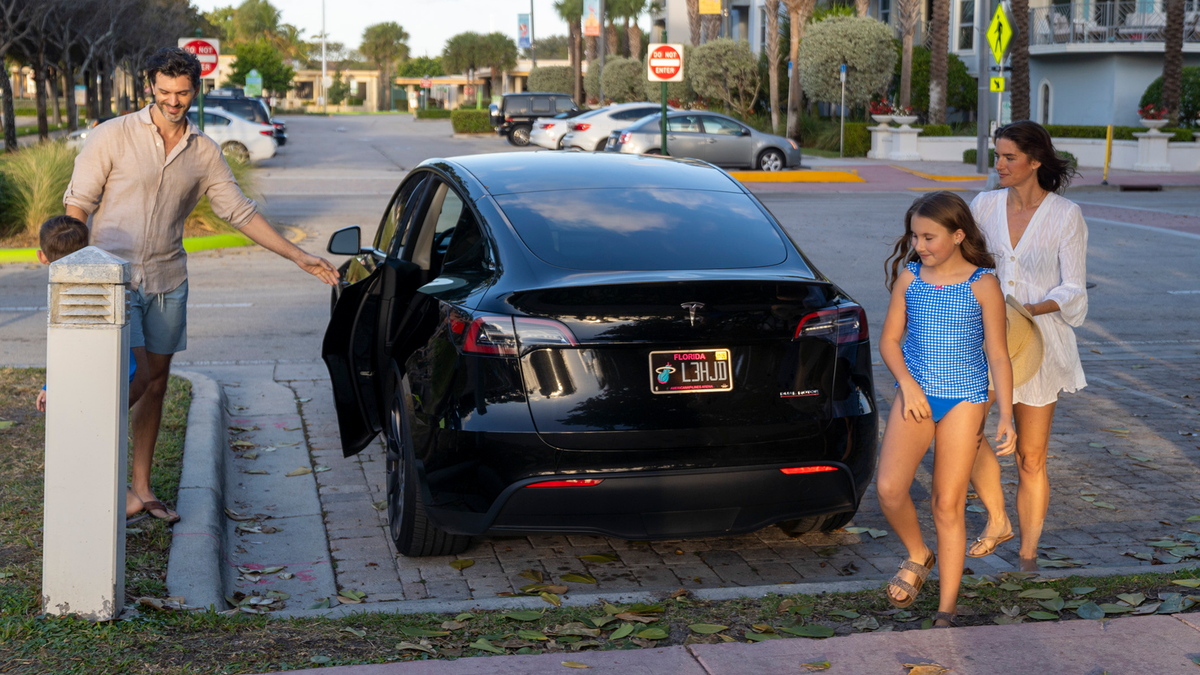
Picture this: it's the last week of August, and a family of five is hauling gear across a packed parking lot toward the shore. The kids are already running ahead, the toddler is crying because her sandals got hot on the pavement, and dad is balancing three chairs, a cooler, and a bag that has somehow tripled in weight since they left the house. Mom pulls out the umbrella, only to watch the wind rip it from the sand within minutes. By 10 a.m., everyone is sunburned, sandy, and already talking about leaving.
This is the beach trip that didn't have to go that way. Not because the family chose the wrong destination, but because they didn't plan around the season. The right beach, at the right time of year, with the right gear changes everything. A family beach vacation packing list that works in July looks very different from one that serves you well in April or October. And the gear that handles a toddler's needs on a calm spring morning may buckle completely under the wind and heat of peak summer.
This guide is built around a simple but often ignored truth: seasonal planning is the single biggest lever families can pull to upgrade their beach experience. It covers how to pick destinations that match each season, what timing decisions actually matter, how to build a family beach vacation packing list that shifts with the calendar, and how to choose gear that performs when it counts. Whether you're chasing the first warm days of spring or stretching summer into October on a quieter coastline, this is the planning resource that travels with you.
Why Season Changes Everything About Your Beach Trip
Choosing a beach destination without accounting for the season is a bit like booking a ski trip without checking snowfall reports. The beach exists year-round, but the experience it delivers changes dramatically by month. Temperature, crowd density, wind patterns, UV intensity, water temperature, and even parking availability all shift with the calendar in ways that directly affect how enjoyable, safe, and logistically manageable a family outing will be.
For families with young children, this variability matters more than it does for a couple traveling solo. Toddlers and babies are significantly more vulnerable to heat, UV exposure, and wind than adults. The American Academy of Pediatrics recommends keeping infants under six months out of direct sunlight entirely, and even for older toddlers, limiting midday sun exposure during peak UV hours (typically 10 a.m. to 4 p.m.) is essential. These recommendations aren't merely cautious suggestions; they reflect real physiological differences in how children's skin absorbs and responds to UV radiation.
Beyond sun safety, seasonal planning affects the economics of a beach trip. Peak summer travel to well-known coastal destinations carries premium pricing on accommodation, parking, and even beach gear rentals. Families who plan shoulder-season trips to the same destinations often save substantially while encountering dramatically shorter lines, emptier beaches, and more attentive service. The tradeoff is cooler air temperatures, variable water temps, and the need to pack and plan differently.
Wind is another seasonal variable that many families underestimate. Coastal areas in spring and fall often see stronger, more sustained wind events than the relatively calm summer mornings most beachgoers picture. This has a direct impact on gear: a basic beach umbrella that held its ground on a calm August afternoon may become a liability in April's gusts. Understanding this before you pack is what separates a smooth day from a frustrating one.
The Seasonal Beach Trip at a Glance
| Season | Best For | Key Challenges | Gear Priority |
|---|---|---|---|
| Spring (Mar–May) | Quiet beaches, mild temps, budget travel | Variable wind, cool water, unpredictable weather | Wind-stable shade, layering options |
| Early Summer (Jun) | Warm but manageable, pre-peak crowds | Rising UV, increasing foot traffic | Full shade coverage, sun-safe seating |
| Peak Summer (Jul–Aug) | Warm water, full amenities, kids' activities | Crowds, heat, high UV, expensive | Maximum shade, toddler protection, hydration |
| Fall (Sep–Nov) | Empty beaches, warm water (Sep), value pricing | Cooling air, wind, shorter daylight | Windbreak shade, warm layers, comfortable chairs |
Spring Beach Trips: The Underrated Season for Families
Spring is the season most families overlook, and that's exactly what makes it so valuable. From March through May, the most popular US coastal destinations shed their crowds while retaining much of their charm. Beaches along the Gulf Coast, the Carolinas, and Southern California often see water temperatures creeping into the comfortable range by late April, while air temperatures sit in that sweet spot that makes a full day outside genuinely enjoyable without the relentless heat of summer.
For families with toddlers and young kids specifically, spring offers one very significant advantage: fewer people. A crowded beach is genuinely harder to manage with small children. There's more gear to navigate around, less room to set up a proper shade structure, and the psychological weight of keeping track of a toddler in a dense crowd is exhausting. On a quiet spring beach, families can spread out, stake their spot early, and create a comfortable base camp that stays comfortable all day.
Top Spring Destinations in the US
Gulf Coast beaches (Destin, Gulf Shores, Clearwater, Naples) are among the best spring choices for families. Water temperatures warm earlier along the Gulf than on the Atlantic side, and the beaches are wide, flat, and easy to navigate with gear. By April, conditions are often ideal: warm enough for swimming, cool enough for long beach days without brutal heat.
The Outer Banks, North Carolina rewards early-season visitors with dramatic empty beaches, reliable wind (great for kite flying, manageable for shade setups), and far lower accommodation costs. March and April can still be chilly, but May in the Outer Banks is genuinely underrated.
Southern California beaches (Santa Barbara, Coronado, Laguna Beach) benefit from relatively mild spring temperatures and low humidity. Marine layer mornings give way to clear afternoons, and the beaches rarely feel as overwhelmed as they do from late June onward.
Spring Gear Priorities: Wind Stability Above All
The defining gear challenge of spring beach trips is wind. Coastal wind picks up in spring across most US beach regions, and the most common failure point for families is a shade structure that simply can't hold its ground. Standard market umbrellas with basic sand anchors are frequently ineffective in sustained spring wind, creating a frustrating, potentially dangerous situation when a heavy umbrella goes airborne on a populated beach.
This is where Copa's Anchor Max® technology becomes genuinely relevant, not just as a product feature but as a practical solution to a real seasonal challenge. Unlike traditional umbrella poles that rely on a single insertion point in the sand, the Anchor Max® system is engineered to create a more secure, stable hold that resists the lateral force of wind. On a breezy spring day when standard setups are tipping and spinning, this kind of anchoring makes the difference between a family that stays comfortable and one that packs up early.
Spring packing should also account for layering. Mornings can be cool even when afternoons warm up significantly, so having a light jacket or hoodie for each family member is a non-negotiable. Toddlers and babies especially need a layer for the cooler morning hours before the sun climbs.
Building Your Family Beach Vacation Packing List by Season
A great family beach vacation packing list isn't a static document. It's a living framework that shifts based on the season, the destination, the ages of the kids, and how long you're staying. The mistake most families make is treating the beach packing list as an annual ritual that gets recycled without adjustment, which means they consistently pack either too much of the wrong things or too little of what actually matters for that particular trip.
The framework below breaks the packing list into tiers: universal essentials that belong on every beach trip regardless of season, season-specific additions that change with the calendar, and age-specific items that shift based on whether you're traveling with a toddler, a school-age child, or a mix of both. For a fully detailed master list, Copa's ultimate family beach packing list is an excellent starting point to build from.
Universal Essentials: Every Season, Every Beach
- Sunscreen (SPF 30+ broad-spectrum), enough for multiple reapplications per person
- Reusable water bottles for every family member, plus extra capacity for kids
- Shade structure (umbrella, cabana, or canopy) suited to your family's size
- Beach chairs with appropriate comfort levels for adults and older kids
- Dry bags or waterproof pouches for phones, keys, and valuables
- First aid kit including bandages, antiseptic, and any prescription medications
- Snacks and a cooler with ice packs
- Trash bags (at least two) for cleanup and wet gear separation
- Change of clothes for every family member, plus an extra set for toddlers
- Beach towels, one per person plus one spare
Season-Specific Additions to Your Packing List
| Season | Add to Your List | Consider Removing or Deprioritizing |
|---|---|---|
| Spring | Light jackets, wind-resistant shade, rash guards, extra towels for warmth after water play | Heavy-duty cooling towels, maximum-capacity coolers |
| Early Summer | Sun hats, UV-protective swimwear, extra sunscreen, cooling misting fans | Heavy layers, windbreakers |
| Peak Summer | Insulated cooler with ice, electrolyte packets, portable fan, larger shade footprint, wet wipes in bulk | Heavy blankets, warm layers |
| Fall | Fleece layers, windbreak shade, warm towels, hot drinks in a thermos, long-sleeve swimwear | Misting fans, extra cooling items |
Age-Specific Additions for Toddlers and Young Kids
Traveling with toddlers and babies requires a separate mental checklist that runs parallel to the main list. The beach gear for toddlers and kids category expands significantly once you account for their specific vulnerabilities and comfort needs. Key additions include:
- Baby-safe mineral sunscreen (zinc oxide-based) applied before leaving the car
- Sun-protective hats with full brim coverage and chin straps (toddlers remove hats constantly without chin straps)
- Portable beach tent or shade canopy sized for an infant or toddler to nap safely out of direct sun
- Sand-free mat or blanket to create a clean play and feeding surface
- Diaper bag with double the usual supplies (sand affects everything, including diaper closures)
- Baby carrier or structured pack for navigating from parking to beach without losing a toddler
- Toddler water shoes to protect feet from hot sand and rocks
- Sand toys appropriate for age: simple buckets and shovels for toddlers, more elaborate sets for school-age kids
- Snacks in above-normal quantities: kids burn through energy fast at the beach and may refuse meals if overheated
Peak Summer Beach Trips: Maximizing the Best Beach Products for Summer
Peak summer, spanning roughly the Fourth of July weekend through Labor Day, represents the high-water mark of American beach culture. The water is warm, the days are long, beach towns are fully operational, and the energy of a crowded summer shore carries its own contagious appeal. For families, this is often the most anticipated season, and it's also the one that demands the most thorough preparation.
The stakes are higher in peak summer for a straightforward reason: UV index values are at their annual maximum, heat-related illness risk climbs significantly for young children, and the density of people on popular beaches creates logistical challenges that simply don't exist in shoulder seasons. The families who have genuinely good peak summer beach days are the ones who arrive early, establish their base quickly, and have gear that keeps everyone comfortable through the hottest midday hours.
Choosing the Best Beach Products for Summer
When evaluating the best beach products for summer, the criteria shift compared to other seasons. In spring and fall, durability and wind resistance are the headline specs. In peak summer, shade coverage, ease of setup, and comfort over extended periods of time become the dominant factors.
Shade coverage is arguably the most critical variable for families with young children. The difference between a 7-foot umbrella and a properly sized cabana or beach canopy is the difference between a small circle of shade that works for one person and a protected zone where a toddler can nap, a baby can feed, and the whole family can retreat from the sun. Copa's shade solutions are engineered specifically for this scenario, offering coverage that scales to a family's actual space needs rather than treating shade as an afterthought.
Chair comfort also matters more in summer simply because families tend to stay longer. A stiff or poorly designed beach chair that's tolerable for two hours becomes genuinely uncomfortable over a full beach day. Copa's beach chairs are built with this extended use in mind, combining ergonomic support with the kind of aesthetic that fits naturally into a vibrant summer beach setting.
For parents who want to simplify the gear decision entirely, Copa's bundled offerings (including the Deluxe Bundle) pair chairs and shade solutions as a coordinated system. This removes the guesswork of compatibility and ensures that the shade structure and seating work together spatially. Free shipping on bundles makes this a straightforward decision for families who want everything to arrive together before a trip.
For inspiration on specific summer beach destinations, Copa's roundup of the best beaches for Fourth of July weekend is a practical starting point for peak summer planning.
Timing Strategy for Peak Summer Beaches
Arriving early is the single most effective tactic for peak summer beach days. Families who reach the beach by 8:00 or 8:30 a.m. often find ample parking, open shoreline, and cooler temperatures that make setup comfortable. By 10:00 a.m., the most popular beaches are filling rapidly, parking lots are at or near capacity, and the UV index is climbing toward its daily peak.
Planning a midday retreat back to the rental or hotel for lunch and rest is a strategy many experienced beach families adopt. This aligns with pediatric guidance around limiting sun exposure during peak UV hours and gives everyone (especially toddlers) a chance to nap and recharge. Returning to the beach in the late afternoon, when the sun is lower and the crowd often thins slightly, extends the enjoyable part of the day without the midday heat penalty.
Sun Safety in Peak Summer: A Non-Negotiable Priority
The Skin Cancer Foundation emphasizes that regular sunscreen use, combined with physical shade, provides significantly stronger protection than either approach alone. For families with young children, this means that a great shade setup is not a luxury; it's a core piece of sun safety infrastructure. Sunscreen alone cannot carry the full protective burden on a high-UV summer beach day, particularly for toddlers who may resist reapplication and for babies who need to stay out of direct sun entirely.
Copa's shade solutions are designed with this dual protection model in mind. A properly anchored, well-positioned beach canopy creates a microenvironment where UV exposure is dramatically reduced, allowing families to stay longer, stay more comfortable, and reduce the cumulative sunscreen burden on small children's sensitive skin.
Coastal Family Beach Trips: Choosing the Right Destination for Your Family's Stage
Coastal family beach trips are not one-size-fits-all, and the destination that's perfect for a family with teenagers may be completely wrong for a family with a two-year-old and a newborn. Matching the destination to your family's specific stage and needs is one of the highest-leverage decisions in beach trip planning, and it's one most travel content doesn't address with sufficient specificity.
Beaches Best Suited for Families with Toddlers
Toddlers need calm, shallow water with a gradual entry. Steep waves, strong shore breaks, and sudden drop-offs are genuinely dangerous for children who lack the body weight and coordination to handle unexpected wave energy. The best toddler-friendly beaches have:
- Gentle wave action, ideally protected bays or Gulf-facing shores
- Wide, flat sand areas for easy shade setup and toddler play space
- Nearby restroom access within a reasonable walk
- Paved or compacted access paths that accommodate strollers and gear carts
- Lifeguard coverage during peak hours
Gulf Coast beaches consistently score well on these criteria. The Gulf's characteristically calm, clear, warm water is genuinely well-suited to young children, and the wide beaches of destinations like Siesta Key, Rosemary Beach, and Perdido Key provide ample flat space for setting up a family base camp. The Mid-Atlantic barrier island beaches (Delaware, Maryland) also offer manageable conditions with good family infrastructure.
Beaches for Multigenerational Trips
Multigenerational beach trips introduce a different set of requirements. When grandparents, parents, and children are all making the trip together, the destination needs to deliver on accessibility, comfort, and a range of activity options simultaneously. Copa's complete beach setup for families is particularly relevant here, offering guidance on how to create a comfortable multi-person base that works for everyone from the youngest to the oldest in the group.
Key considerations for multigenerational trips include:
- Accessible beach entry (beach wheelchairs, paved paths, or firm sand near the water) for grandparents with mobility limitations
- Comfortable seating that doesn't require getting down to a low recline position, which can be difficult for older adults to exit gracefully
- Rental property proximity to the beach to minimize carrying distance
- Town amenities that appeal across age groups: good restaurants, evening entertainment, shopping
Copa's premium beach chairs are designed with comfort as the primary consideration, making them genuinely suitable for adults across a wide age range rather than just younger, more flexible beachgoers. The ergonomic design accommodates long sessions without the discomfort that cheaper chairs introduce after the first hour.
The Decision Framework: Matching Beach to Family Profile
Rather than treating destination selection as a matter of personal preference alone, consider running your family through this quick decision framework before committing to a booking:
- What are the ages and mobility needs of everyone coming? This immediately filters out high-surf beaches for toddler-heavy groups and inaccessible locations for elderly family members.
- What season are you traveling in? This narrows the geographic options based on weather, water temperature, and crowd levels.
- How many consecutive days will you be there? Longer trips benefit from destinations with a variety of activities beyond the beach itself. Shorter trips can focus purely on beach quality.
- What is the realistic gear-carrying capacity of your group? If you're a couple with two toddlers, the most beautiful beach in the country becomes frustrating if it requires a half-mile hike through soft sand. Proximity and access matter as much as quality.
- What's the backup plan if weather doesn't cooperate? Destinations with indoor attractions, aquariums, or interesting towns are more resilient for families with young children.
Beach Gear for Toddlers and Kids: What Actually Works
The market for beach gear for toddlers and kids has expanded enormously, which creates both opportunity and confusion. There are genuinely useful products that transform a beach day with young children, and there are products that look appealing in marketing photos but fail the practical test of a real beach morning. This section is about the former.
Shade Solutions That Work for Young Children
Shade is the foundational piece of beach gear for families with young children, and it needs to be evaluated more critically than any other item. The criteria for a good shade solution with toddlers and babies are more demanding than for adults because children's sun tolerance is lower, their ability to self-regulate (moving into shade, asking for sunscreen) is limited, and they may need to nap outdoors during a full beach day.
Copa's beach umbrellas and shade cabanas are specifically engineered to meet these demands. The Anchor Max® system that underpins Copa's shade products addresses what is genuinely the most common failure mode of beach shade: instability in wind. When an umbrella tips or lifts in a gust, the danger is real, particularly on a beach where children are playing in close proximity. The Anchor Max® design creates a secure hold that standard twist-in anchors simply can't match, giving families a meaningful safety margin on windy days.
The coverage area of Copa's shade structures is also thoughtfully sized for family use. A shade footprint that can comfortably accommodate a family's seating arrangement, a napping infant, and the family's gear is very different from the minimal coverage of a single-person umbrella. Families shopping for shade should calculate their actual space needs before purchasing, accounting not just for the number of chairs but for the additional footprint of a baby lying on a blanket, toddler toys, a cooler, and the natural spread of a family at rest.
Beach Chairs: What Families Actually Need
The beach chair category splits into roughly two failure modes for families. The first is chairs that are too low and too difficult to get in and out of, which frustrates parents who are constantly standing up to chase toddlers. The second is chairs that are too basic and uncomfortable to be usable for a full beach day.
Copa's beach chairs are designed to occupy the space between these two failure modes: comfortable enough for extended use, practical enough for active parents. The construction reflects an understanding that a beach chair for a family context is not the same as a beach chair for a solo sunbather. Parents need to move, stand, and respond quickly. Grandparents need support. The chair design has to accommodate the full range of people who will actually use it.
Bundle Systems: Why Coordinated Gear Outperforms Piecemeal Purchases
One of the most practical insights from watching families navigate beach gear decisions is that piecemeal purchasing consistently underperforms relative to bundled, coordinated systems. When a family buys a chair from one brand, an umbrella from another, and an anchor from a third, they end up with gear that may not be sized, weighted, or designed to work together. The umbrella pole may not fit the anchor. The chairs may be too wide or too low relative to the shade footprint.
Copa's Deluxe Bundle and Essentials Bundle solve this problem by offering curated combinations of chairs and shade solutions that are tested and designed to work as a system. The spatial relationship between the shade structure and the chairs is accounted for in the bundle design, which means families arrive at the beach with gear that sets up cohesively rather than gear that requires improvisation. Free shipping on these bundles removes the final friction point, making it straightforward to get a complete, tested family setup delivered to the door before a trip.
Fall Beach Trips: The Season That Beach Insiders Know About
September and October represent what might be the best-kept secret in American family beach travel. The summer crowds have thinned dramatically after Labor Day. Water temperatures along most of the Eastern Seaboard and Gulf Coast remain warm through September and into early October, carrying the thermal inertia of three months of summer sun. Accommodation prices drop noticeably, and the beach itself often has a quality of light and atmosphere that feels distinctly different from the compressed energy of peak summer.
For families with school-age kids, the window narrows after Labor Day due to the school calendar. But for families who can manage a fall break trip, or who have younger children not yet in school, early fall is genuinely exceptional. September in the Outer Banks, the Florida Panhandle, or the Jersey Shore offers conditions that many experienced beach travelers prefer over peak summer without hesitation.
Fall Destination Highlights
Florida's Atlantic coast (St. Augustine, New Smyrna Beach, the Space Coast) offers some of the best early fall beach conditions in the country. Water temperatures remain warm well into October, and the brutal summer heat and humidity moderate into something far more comfortable. These destinations also have far more genuine character than their more famous neighbors, with interesting towns, natural areas, and a laid-back pace that suits families.
The Carolinas extend nicely into fall. Hilton Head and the Kiawah Island area deliver beautiful fall beach conditions with warm water through September and a quieter, more serene atmosphere than the summer version. The Charleston area's beaches are genuinely underrated in fall.
Southern California actually peaks in fall from a weather perspective. The marine layer that can suppress summer mornings gives way to the legendary "June Gloom" correction, and September and October often deliver the clearest, warmest, most reliably beautiful days of the year. Locals refer to this period as the region's best beach season, and they're right.
Fall Gear Adjustments
Fall beach trips require the same wind-aware shade strategy as spring, with an added emphasis on layering and warm-weather comfort for the cooler parts of the day. Mornings and evenings can be genuinely cool, and a family that arrives without warmer layers for the kids will find the last hour of a beautiful fall beach day uncomfortable.
The Anchor Max® system on Copa's shade products is again particularly relevant in fall, when coastal wind events are common. A fall beach day with well-anchored shade is dramatically more enjoyable than one spent wrestling with an umbrella or giving up and sitting in full sun.
Copa's premium beach chairs also earn their keep in fall because the longer, more relaxed pace of a quiet fall beach day rewards comfortable, well-designed seating. When the beach is uncrowded and the atmosphere is peaceful, the quality of the gear that surrounds you becomes more noticeable. This is the season where the difference between a great chair and a mediocre one is most apparent.
Beach Day Must Haves for Families: The Decision Framework
The concept of beach day must haves for families is one of the most searched topics in beach travel content, and most of the answers people find are long, undifferentiated lists that don't help families make actual decisions. This section takes a different approach: a decision framework that helps families identify their specific must haves based on their family profile, rather than a generic inventory.
The Family Beach Gear Scoring Model
Rate each gear item on three dimensions (1-3 scale for each), then add the scores. Items scoring 7-9 are genuine must haves for your family. Items scoring 4-6 are worth considering. Items scoring 3 or below can be deprioritized.
| Dimension | Score 1 | Score 2 | Score 3 |
|---|---|---|---|
| Safety Impact | Nice to have, no safety function | Moderate safety benefit | Direct safety function (shade, sun protection) |
| Comfort Duration | Benefits felt only occasionally | Useful for part of the day | In use or providing benefit throughout the entire beach day |
| Setup/Carry Burden | Adds significant weight or complexity | Moderate carry or setup effort | Lightweight, compact, or quick to set up |
Applied to a family with a toddler during peak summer, a high-quality shade canopy scores 9 (safety impact: 3, comfort duration: 3, setup burden: 3 with a well-designed product). A decorative beach bag scores 5 (safety: 1, comfort: 2, carry: 2). This framework helps families cut through the noise of comprehensive packing lists and identify what genuinely matters for their specific situation.
The Non-Negotiables Regardless of Scoring
Some items transcend the scoring framework and belong on every family beach trip without qualification:
- Shade structure: there is no substitute for physical shade, particularly for young children
- Broad-spectrum sunscreen applied before sun exposure begins
- Adequate water: families consistently underestimate hydration needs at the beach, where heat, salt air, and activity combine to accelerate dehydration
- A plan for emergencies: knowing where the nearest lifeguard station, first aid point, and urgent care facility are located before you need them
How to Build Your Pre-Trip Beach Gear Audit
One of the most practical habits experienced beach families develop is a pre-trip gear audit conducted at least two weeks before departure. This is not the same as packing. It's a systematic check of existing gear to identify what needs replacement, repair, or upgrading before the trip, rather than discovering the problem in the parking lot.
The Pre-Trip Gear Audit Checklist
- Shade structure inspection: check for bent ribs, torn fabric, and anchor wear. A shade structure that barely held up last season may not survive this trip's conditions.
- Chair condition check: test each chair's weight capacity, hinge integrity, and fabric condition. Sand and saltwater are harsh on chair frames and fabrics over time.
- Sunscreen expiration: the FDA notes that sunscreen has a three-year shelf life from manufacture, but products stored in heat (like a garage or car trunk) degrade faster. Check and replace as needed.
- Cooler seal integrity: a cooler with a compromised seal loses ice rapidly on a hot beach day. Test it at home with ice before packing it.
- Kids' gear sizing: toddlers and young children grow fast. Sun hats, rash guards, and water shoes from last season may no longer fit this year's trip.
- Anchor system check: if your shade structure uses an anchor, inspect it for wear and test the mechanism. This is the component most likely to fail under stress.
For families who complete this audit and discover that multiple items need replacement, this is the natural moment to consider a bundle purchase. Replacing individual items piecemeal often costs more than a coordinated bundle that includes everything needed, and it introduces the compatibility issues discussed earlier. Copa's bundled offerings are designed for exactly this scenario: a family that wants to start fresh with a complete, coordinated setup that works as a system from day one.
Copa's Beach Tips blog is a useful ongoing resource for families who want to continue improving their beach day approach across seasons, covering everything from setup strategies to destination-specific advice.
Frequently Asked Questions
What is the best season for a family beach vacation with young kids?
For families with toddlers and babies, late May through early June and September are often the ideal windows. Water temperatures are warm enough for comfortable play, UV intensity is lower than peak summer, and crowds are substantially thinner. The reduced crowd density is particularly valuable with young children, as it provides more space to set up a proper shade area and makes tracking toddlers significantly easier.
How do I build a family beach vacation packing list that doesn't result in overpacking?
Use the scoring framework outlined in this article to evaluate each item on safety impact, comfort duration, and carry burden. Items that score high on all three dimensions are genuine must haves. Items that score low on carry burden but also low on safety and comfort are candidates for leaving behind. Apply the same framework seasonally, since peak summer and fall trips require very different additions to the base list.
What makes Copa's Anchor Max® different from a standard beach umbrella anchor?
The Anchor Max® is Copa's patented anchoring system designed to create a more secure, wind-resistant hold in sand compared to standard twist-in umbrella poles. Where conventional anchors rely on a single insertion point and the friction of packed sand, the Anchor Max® system is engineered to distribute the lateral force of wind more effectively, reducing the risk of the umbrella tipping or becoming airborne in gusting conditions. This is particularly valuable on spring and fall beach days when coastal wind events are more common.
Are Copa beach chairs suitable for grandparents and older adults?
Yes. Copa's beach chairs are designed with comfort for a full range of adults in mind, including older family members who may find very low or very reclined seating positions difficult to exit. The ergonomic design prioritizes support for extended sitting, which is particularly relevant for multigenerational beach trips where grandparents may spend several hours in their chairs while the younger generation plays in the water.
What beach destinations are best for toddlers specifically?
The Gulf Coast beaches of Florida, Alabama, and Mississippi consistently rank as among the best for toddlers, thanks to their calm, shallow, warm water, wide flat sand, and good family infrastructure. Delaware's Rehoboth Beach and Maryland's Ocean City offer excellent mid-Atlantic options with lifeguard coverage and gentle wave conditions. On the West Coast, the protected coves of Southern California (La Jolla Shores, Coronado, Carpinteria) offer calm conditions well-suited to young children.
How much shade coverage does a family of four actually need?
A family of four with two young children typically needs a shade footprint of at least 60-70 square feet to comfortably accommodate four chairs, a napping infant or toddler, and the family's gear. A standard 7-foot beach umbrella covers approximately 35-40 square feet of usable shade, which is generally insufficient for a full family setup. A beach canopy or cabana sized appropriately for family use provides the coverage needed to keep everyone comfortably shaded throughout the day.
Can I use the same beach gear for spring and peak summer trips?
The core gear (chairs, shade structure, cooler, towels) can remain consistent across seasons, but the contextual items change significantly. Spring trips need wind-resistant shade and layering options that summer trips don't require. Peak summer trips demand larger cooler capacity, more sunscreen, and potentially additional cooling gear that spring trips don't need. The Copa Anchor Max® system is valuable across all seasons for its wind-resistance properties, even though wind is more prominent in spring and fall.
What are the best beach products for summer specifically focused on sun safety?
The best beach products for summer sun safety combine physical shade with high-SPF sunscreen and UV-protective clothing. A well-anchored beach canopy with a high UV protection rating provides the foundation. Supplement this with UPF 50+ rash guards and swimwear for kids, wide-brimmed hats with chin straps for toddlers, and broad-spectrum SPF 50+ sunscreen applied before leaving the car and reapplied every two hours. Physical shade reduces UV exposure more reliably than sunscreen alone, particularly for young children who resist reapplication.
How should I adjust my coastal family beach trip planning for a multigenerational group?
Multigenerational trips require destination selection that accounts for accessibility (paved beach access, proximity to parking), comfort-focused gear (chairs that are easy to exit, ample shade for everyone), and accommodation that keeps the group close to the beach to minimize carrying distance. Plan for earlier beach days that end before peak afternoon heat, which suits both the youngest and oldest family members. Copa's Deluxe Bundle is well-suited to multigenerational groups because it delivers coordinated chairs and shade that can be arranged to accommodate a larger group comfortably.
What's the best way to protect a baby at the beach?
Babies under six months should be kept entirely out of direct sunlight, per guidance from the American Academy of Pediatrics. For older infants and toddlers, the protection hierarchy is: (1) physical shade first, using a properly anchored canopy or umbrella that covers the area where the baby rests; (2) UV-protective clothing including a hat with chin strap; (3) mineral-based sunscreen (zinc oxide) on exposed areas. Time beach visits for early morning or late afternoon to avoid the highest UV intensity window between 10 a.m. and 4 p.m.
Is it worth buying a beach gear bundle instead of individual items?
For most families, yes. The practical benefits of a coordinated bundle include confirmed compatibility between components, cost savings compared to individual purchases, and the logistical convenience of everything arriving together. Piecemeal purchasing frequently results in components that don't work well together spatially or technically. Copa's bundles are curated specifically to eliminate this problem, and free shipping on bundles removes the last barrier to choosing a complete coordinated setup over individual items.
How do I choose between a beach umbrella and a beach canopy for family use?
The decision comes down to coverage area and stability needs. A beach umbrella is more portable and quicker to set up, but provides limited coverage suitable for one or two people rather than a full family. A beach canopy or cabana provides significantly more coverage, can shelter a napping child in a flat position, and typically offers better stability in wind when properly anchored. Families with young children generally benefit more from a canopy or cabana setup, while the Copa Anchor Max® system makes umbrella stability far more reliable for families who prefer that format.
Key Takeaways
- Season is the most important planning variable for family beach trips, affecting UV intensity, crowd levels, water temperature, wind conditions, and gear requirements simultaneously.
- Spring and fall offer significantly underrated beach conditions for families, with quieter beaches, manageable weather, and lower costs that often make them superior to peak summer for families with young children.
- A family beach vacation packing list needs to change seasonally: spring demands wind-resistant shade and layering, peak summer demands maximum UV protection and cooling, fall demands warm layers and windbreak shade.
- Beach gear for toddlers and kids centers on shade first: physical shade is the most important protective measure for young children at the beach, outperforming sunscreen alone in UV protection effectiveness.
- Copa's Anchor Max® technology addresses the most common failure mode of beach shade (wind instability) through a patented anchoring system that outperforms standard twist-in designs, making it particularly valuable in spring and fall when coastal wind events are more frequent.
- Bundled gear systems outperform piecemeal purchases for families because they ensure compatibility, reduce decision fatigue, and typically deliver better value than assembling individual components from multiple sources.
- Multigenerational beach trips require destination and gear choices that prioritize accessibility, comfort for a wide age range, and proximity to parking and amenities.
- The pre-trip gear audit, conducted at least two weeks before departure, is the single most practical habit experienced beach families develop to avoid discovering gear failures on the day of the trip.
- Gulf Coast beaches are the strongest choice for families with toddlers, offering calm shallow water, wide flat sand, and good family infrastructure across multiple price points and seasons.
- Early arrival is the most effective tactical decision for peak summer beach days, providing better parking, cooler temperatures for setup, and more space before the crowds arrive.
Shop Now
Learn more →
Share:
7 Reasons Lightweight Beach Gear Is Worth the Investment for Frequent Beach Families
What to Bring to the Beach with Kids: The Ultimate Family Beach Day Checklist