

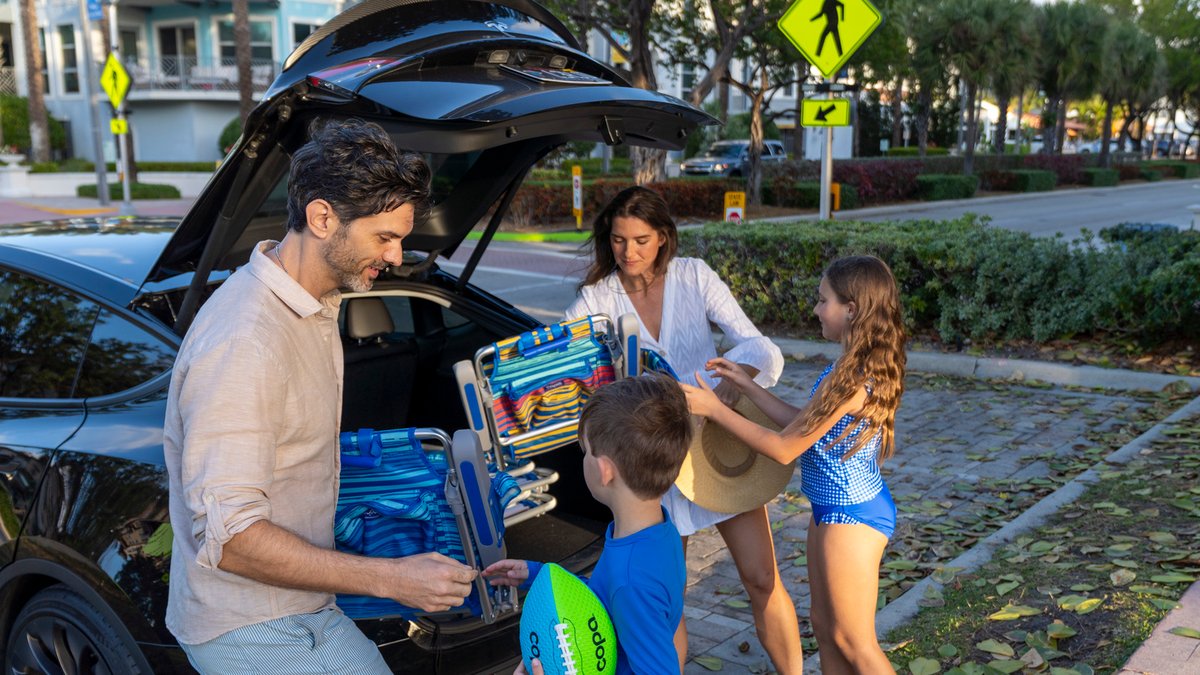
The parking lot is full, the kids are vibrating with excitement, and somewhere in the trunk there are four bags, a cooler, and a beach umbrella that nobody tested before leaving home. You make it to the sand, set everything down, and then someone asks for sunscreen. It's in the car. The water shoes are also in the car. So is the snack bag. By the time the whole family is actually settled and sun-protected, forty-five minutes have passed and the youngest is already melting down.
That scenario plays out on beaches across America every single summer, and it happens for one reason: packing for a family beach day without a real system. Not just a mental list, not a photo of someone else's beach spread on social media, but a ranked, practical checklist built around how family beach days actually unfold. This guide covers everything your family needs, organized by priority, so you stop losing time to forgotten essentials and start spending it where it counts, in the water and under the sun.
The items below are ranked by impact. The things that derail a beach day fastest come first. The nice-to-haves come later. Every section includes the practical reasoning behind each item, because knowing why something matters helps you make smarter swaps when space is tight.
1. Shade Structures: The Non-Negotiable Foundation of Every Family Beach Day
If you only bring one category of gear to the beach with kids, make it shade. Everything else, snacks, chairs, toys, can be improvised or purchased nearby. Sun exposure cannot be undone once the damage is done, and children's skin is significantly more vulnerable than adult skin. The American Academy of Dermatology recommends that infants under six months be kept out of direct sun entirely, and that all children use broad-spectrum SPF 30+ sunscreen combined with physical shade. A quality shade structure is the single item that makes the longest beach days possible.
The challenge with beach shade is that not all umbrellas are created equal. A basic $15 umbrella from a discount retailer will tilt, collapse, or spin out in a light ocean breeze. Coastal winds are genuinely unpredictable, and a shade structure that fails mid-afternoon leaves your whole family scrambling. This is where anchor technology matters more than most families realize until they've experienced an umbrella that doesn't hold.
Copa's Anchor Max® system is the engineering detail that separates their shade products from what you'll find at a big-box retailer. The Anchor Max® design drives deep into the sand and locks the umbrella pole in place so it stays stable even when wind picks up. For families with young children who are playing close to the base, a shade structure that stays put isn't just a convenience, it's a safety consideration. A spinning or collapsing umbrella near a toddler is a real hazard that parents rarely think about until it happens.
Copa offers both beach umbrellas and cabana-style shade tents that work with the same anchoring system. Cabanas are worth considering for families with infants or fair-skinned children, since they provide shade on multiple sides rather than just overhead. They also create a contained, comfortable zone where younger kids can play in the sand without being in direct sunlight. For multigenerational groups, a combination of an umbrella for the adults and a cabana for the little ones can cover everyone effectively.
How to Apply This
- Set up shade before you do anything else. Pick your spot, anchor your umbrella or cabana, and use that as your base for unloading everything else.
- Angle the umbrella to block the direction the sun will be moving toward, not just where it is when you arrive.
- For full-day beach trips, a cabana-style structure protects against afternoon sun that comes in at a low angle, which a standard umbrella won't block as effectively.
- Test your anchor at home if you're using a new shade product. Knowing how it works before you're on a crowded beach saves real time.
2. Sunscreen and Sun Protection Clothing: Layering Your Defense
Shade structures and sunscreen work as a system, not substitutes for each other. Even under an umbrella, UV rays reflect off water, sand, and nearby surfaces, which means children in the shade still receive meaningful sun exposure. The combination of physical shade plus topical sunscreen is the approach recommended by the American Academy of Dermatology for sun protection, especially for children.
For a family beach day, you need more sunscreen than you think. The general rule is one ounce per application for an adult body, roughly the amount that fills a shot glass. Kids need proportional amounts, and reapplication every two hours, or immediately after swimming, is non-negotiable. A family of four spending a full day at the beach will go through a significant volume of sunscreen, so bringing a large bottle rather than travel sizes is always the smarter call.
Beyond lotion, sun protection clothing is one of the most underused tools in the family beach toolkit. UPF-rated rash guards, swim shirts, and wide-brim hats dramatically reduce the surface area that sunscreen has to cover, which also means less resistance from kids who don't want to stand still for application. A good-quality rash guard on a toddler effectively removes the torso from the sunscreen equation entirely.
What to Pack
- Broad-spectrum SPF 30+ sunscreen (minimum, SPF 50+ for fair-skinned children)
- A dedicated travel-size bottle for easy reapplication in beach bags
- UPF 50+ rash guards or swim shirts for every child
- Wide-brim hats (at least 3-inch brim) for toddlers and young children
- UV-protective sunglasses rated for children
- Lip balm with SPF (often forgotten, frequently needed)
3. Beach Chairs Built for the Whole Family
The right beach chair can mean the difference between a two-hour outing and a full-day adventure. Adults who spend a beach day hunched over on a low chair or sitting directly on the sand come home with back pain and a vague sense that beach days aren't as fun as they used to be. The chair you sit in shapes your entire experience, and for multigenerational families, having chairs that accommodate different body types and comfort needs is essential.
Copa's beach chairs are designed specifically for the demands of family beach days: lightweight enough to carry from the parking lot, durable enough to handle repeated use across a full season, and comfortable enough for the long haul. The difference between a budget beach chair and a well-engineered one becomes obvious around hour three, when cheaper chairs start to sag and the frame begins digging into the sand at odd angles.
For families with young children, chair height matters. Standard low-slung beach chairs make it genuinely difficult to lift a toddler in and out repeatedly, and they make supervising children in the water harder because you're always looking up from a low angle. Copa's chairs are designed with adults in mind who are actively parenting at the beach, not just lounging. That design philosophy translates into practical comfort throughout a full day.
When packing for a large group or a multigenerational family trip, Copa's bundle packages simplify the buying and packing process by pairing chairs with shade solutions that are designed to work together as a system. The complete beach setup guide on Copa's blog walks through how to configure gear for different family sizes, which is worth reading before your first big outing of the season.
Chair Packing Logistics
- Use carry straps or a wheeled beach cart to transport multiple chairs without extra trips.
- Position chairs at the edge of your shade footprint, not directly under the umbrella, so adults can supervise the water while staying protected.
- For families with grandparents or older adults, look for chairs with higher seat heights and arms that assist with standing up.
4. Hydration: Water Is the Most Important Thing in Your Cooler
Dehydration on the beach sneaks up on children faster than on adults, and it's one of the most common reasons beach days end early. Salt air, heat, physical activity, and excitement all accelerate fluid loss, and kids rarely stop playing long enough to notice they're thirsty until they're already significantly dehydrated. The practical rule for families is to offer water proactively every 30 to 45 minutes, rather than waiting for anyone to ask.
A quality insulated cooler is one of the most valuable things you'll bring. It keeps water cold when air temperatures are high, preserves perishable snacks, and doubles as a seat or footrest at the beach. Hard-sided coolers retain ice longer than soft-sided bags but are heavier to carry. Soft-sided coolers are easier for beach transport but work better with ice packs than loose ice, which melts faster.
Beyond water, consider what your family actually consumes on a hot beach day. Sports drinks with electrolytes are useful for older kids who are swimming and sweating heavily. Coconut water is a natural alternative with good hydration properties. Avoid sugary juices as the primary hydration source, as they don't replace fluids as effectively and can contribute to energy crashes mid-afternoon.
Hydration Packing Checklist
- At least 16–20 ounces of water per person per hour planned at the beach
- Reusable water bottles with straws or sport caps for easy drinking without removing lids
- An insulated cooler with sufficient ice packs to last the full day
- Electrolyte packets or drinks for active kids and adults
- Frozen water bottles (they pull double duty as ice packs until they thaw)
- A small separate soft cooler for snacks to avoid opening the main cooler constantly
5. Beach-Smart Snacks: Fuel That Holds Up in the Heat
Not all snacks survive a beach day, and the ones that don't make a mess at best and a food safety issue at worst. Chocolate melts, soft fruits get crushed, chips go stale in the humidity, and anything with dairy that isn't kept properly cold becomes a health risk within a couple of hours. Packing smart snacks for the beach is its own skill set, and it directly affects how long your family can stay out.
The best beach snacks are ones that don't require refrigeration, won't melt or crumble in the heat, provide sustained energy rather than a sugar spike, and can be eaten with sandy hands without too much frustration. For young children especially, familiar snacks are important because the beach environment is stimulating enough without introducing new foods they may reject.
Family Beach Snack Matrix
| Snack Category | Best Options | Beach-Friendly? | Notes |
|---|---|---|---|
| Fruit | Grapes, watermelon slices, oranges | ✅ Yes | Pre-cut and pack in sealed containers; keep in cooler |
| Salty Snacks | Pretzels, crackers, popcorn, trail mix | ✅ Yes | Store in sealed bags; avoid anything with chocolate coating |
| Protein | String cheese, hard-boiled eggs, nut butter packets | ⚠️ Keep cold | Require cooler; don't leave out more than 2 hours |
| Sandwiches | PB&J, wraps, pita with hummus | ✅ Yes (no mayo) | Avoid mayo-based fillings; wrap tightly to prevent sand |
| Sweets | Fruit snacks, dried mango, granola bars | ✅ Yes | Avoid chocolate; choose individually wrapped portions |
| Avoid | Potato salad, cream-based dips, chocolate bars | ❌ No | Spoilage risk or messy melt; skip these for the beach |
One underrated packing strategy: pack snacks in portions before you leave home. Individual zip-lock bags or small containers mean kids can grab their own snack without digging through the main bag with sandy hands. It also makes rationing easier when you're trying to pace snack consumption over a long day.
6. Beach Toys and Entertainment: Matching Gear to Age and Attention Span
The right beach toys extend your beach day by hours; the wrong ones get abandoned within twenty minutes. For families with children across different ages, this requires thinking through what each child actually does at the beach, not what looks fun in a store. Toddlers want to dig, scoop, and pour. School-age kids want to build elaborate structures, play games, and explore the tide line. Tweens and teens want more independence and tools for active play.
Packing toys also requires practical thinking. Sand toys with holes or mesh let sand fall through so they don't get heavy and waterlogged. Mesh bags are far better than solid beach totes for toy storage because they drain water and sand automatically. Anything inflatable needs to be monitored around waves and wind; a ball that blows away or an inflatable ring that catches a current becomes a stressor rather than a fun addition.
Beach Toy Guide by Age
| Age Group | Best Toys and Activities | What to Avoid |
|---|---|---|
| Infants (0–12 months) | Soft teethers, sand-safe blanket, sensory books | Anything small enough to swallow; loose sand toys |
| Toddlers (1–3) | Sand buckets, shovels, molds, small watering cans | Inflatable rings near water; anything requiring complex setup |
| Young Kids (4–8) | Sand molds, boogie boards, frisbees, kites | Electronics near water; expensive gear on windy beaches |
| Tweens (9–12) | Boogie boards, paddleball sets, snorkel kits, spike ball | Baby toys they'll refuse; anything requiring adult assembly |
| Teens (13+) | Paddleboards, volleyball, waterproof speakers, frisbee | Anything that requires them to stay in the base camp |
One category worth calling out specifically: sand-free or kinetic sand alternatives have become popular for younger children because they're easier to clean up. For beach days with infants who are crawling in the sand zone, a small waterproof blanket or mat creates a clean play area that stays separate from the surrounding sand. This is one of those items that sounds optional until you have a seven-month-old eating handfuls of beach sand.
7. Water Safety Gear: What Every Family Should Have Before Anyone Gets Wet
Water safety gear belongs in the "non-negotiable" category alongside shade, and it should be verified and fitted before you leave home, not at the waterline. The US Consumer Product Safety Commission identifies drowning as one of the leading causes of accidental death in children under 14, and the beach environment adds variables, such as waves, currents, and unpredictable depth changes, that don't exist in pools. Having the right gear and the right plan before anyone gets near the water is what separates prepared families from reactive ones.
For children who are not yet confident swimmers, a Coast Guard-approved life jacket is the appropriate choice for beach water play. Swim floaties and inflatable arm bands are not substitutes. They can slip off, deflate, or give children and parents a false sense of security in conditions where real buoyancy support is needed. The US Coast Guard life jacket guidance provides clear weight and age classifications to help families choose the right fit.
Beyond personal flotation devices, practical water safety at the beach includes:
- Knowing where the lifeguard stations are before the kids run to the water
- Establishing a meeting point in case anyone gets separated
- Designating one adult as the active water watcher at all times (not everyone half-watching)
- Teaching children to never swim alone and to always stay within the designated swim zone
- Understanding basic rip current escape strategy (swim parallel to shore, not against the current)
Water shoes are a practical addition for beaches with rocky bottoms, shells, or debris. They also protect against hot sand on the walk from parking to waterline, which is frequently hot enough to cause burns on small feet during peak summer hours.
8. The Clean-Up and Comfort Kit: What Saves the Day After the Fun
The items that make the post-beach transition easiest are also the ones most frequently left behind, and their absence is what turns a great day sour on the drive home. Sand in the car, soaking wet kids in car seats, no dry towels, and a bag full of wet swimsuits are the hallmarks of a beach day that didn't fully account for the cleanup phase. This section is often where experienced beach families diverge most sharply from first-timers.
Towels are the obvious starting point, but the quantity matters. Each person should have at least two: one for drying off after swimming, one that stays dry for the trip home. Microfiber towels have become popular in beach bags because they're lightweight and dry quickly, but standard cotton beach towels are more comfortable for young children who resist getting dried off and need the familiar texture.
The Clean-Up Kit Checklist
- Two towels per person (one for use, one for travel home)
- A large waterproof or plastic bag for wet swimsuits and towels
- Baby powder (shaking it on sandy skin makes dry sand brush off easily, a trick that dramatically speeds up cleanup)
- Portable rinse water, either a dedicated portable shower bag or a gallon jug
- Wet wipes (unscented, for sandy hands and faces before snacks)
- A complete change of clothes for every child
- Dry sandals or slip-on shoes for the walk back
- A small first aid kit with bandages, antiseptic wipes, and children's pain reliever
- Aloe vera gel for any sunburn that develops
- Trash bags for waste management at your beach spot
The baby powder trick deserves its own mention because it's genuinely one of the most effective and underused beach hacks. Dry sand clings to skin because of moisture. Sprinkling baby powder on sandy legs, feet, and arms neutralizes that moisture, making the sand brush off in seconds rather than requiring a full rinse. For families without easy access to a beach shower, this can entirely replace the post-beach rinse for everything below the waist.
9. Beach Bag Organization: The System That Makes Everything Work
The best family beach day checklist in the world is useless if everything is loose in a single giant bag that requires excavation every time someone needs sunscreen. How you organize and carry your gear matters almost as much as what you bring. Families who develop a real packing system stop forgetting things, find items faster under the umbrella, and load and unload significantly more efficiently.
The most effective approach is a zone-based packing system. Rather than one large bag, divide your gear into functional zones with a dedicated carrier for each:
- Zone 1: Sun protection. One small bag or exterior pocket holds all sunscreen, hats, and rash guards. This is the first thing you access when you arrive and the most frequently accessed throughout the day. It should be on top of or separate from everything else.
- Zone 2: Snacks and hydration. The cooler or insulated bag stays separate and accessible. Nothing else goes in here.
- Zone 3: Kids' gear. Toys, swim diapers, extra clothes, and kids' specific items in one bag that children can help carry.
- Zone 4: Adult comfort. Books, waterproof phone cases, keys, wallets, and adult-specific items in a secure inner pocket or separate small bag.
- Zone 5: Cleanup kit. Towels, change of clothes, wet bags, baby powder, and first aid at the top of the main bag for end-of-day access.
A wheeled beach cart or wagon is one of the most practical investments for families who beach regularly. It eliminates the multiple-trip problem entirely, allows one adult to manage all the gear while the other manages children, and keeps the setup from becoming a logistical event before anyone even touches the sand. For comprehensive gear organization strategies, Copa's ultimate family beach packing list goes deep on packing strategy alongside product recommendations.
10. Navigation and Timing: The Planning Details That Protect Your Day
The best-packed family beach bag doesn't help if you arrive at the wrong time, park in the wrong lot, or show up on a day with dangerous conditions. Beach logistics, specifically arrival time, parking strategy, and tide and weather awareness, are the invisible infrastructure of a successful family beach day. Families who build this knowledge into their planning consistently have better days than those who wing it.
Arriving early is the single highest-impact planning decision most families can make. Parking becomes difficult at popular beaches by mid-morning on weekends. The best spots in the sand, close to water access, with flat ground for setting up shade, go quickly. Heat intensity peaks between noon and 3:00 PM, which means earlier arrival allows families to enjoy the beach through the morning, take a midday break during peak heat, and return for a cooler late afternoon session if desired.
Tide awareness matters more than most non-coastal families realize. A beach that looks wide and inviting at low tide can shrink dramatically at high tide, leaving little flat ground for chairs and shade structures. Checking a free tide chart app (NOAA's Tides and Currents tool covers all US coastal locations) before you go tells you exactly when high and low tide fall and allows you to plan your arrival and setup accordingly.
Weather beyond just sun and temperature matters too. Offshore wind versus onshore wind affects how stable your umbrella will be throughout the day. Storms can develop rapidly along coastal areas, and having a plan for where to shelter if thunder develops is part of responsible beach planning with children. Check the National Weather Service forecast for your specific coastal area the morning of your beach day, not just the night before.
Pre-Beach Day Logistics Checklist
- Check tide charts for your beach location and plan arrival around low tide
- Review the National Weather Service marine forecast for coastal conditions
- Confirm parking availability and whether reservations are required (many state beach parks in the US now require advance parking reservations)
- Know the beach rules: some beaches prohibit glass, charcoal grills, dogs, or certain shade structures
- Identify the nearest restroom and lifeguard station from your planned setup spot
- Share your beach location and expected return time with someone not at the beach
11. Baby and Toddler-Specific Essentials: The Items Parents Learn About the Hard Way
Bringing infants and toddlers to the beach requires a separate layer of planning that goes beyond the standard family checklist. The beach environment creates specific hazards and needs for the under-three set: sand ingestion, inability to regulate their own sun exposure, hydration challenges, and the logistical complexity of naps, feedings, and diaper changes in an outdoor setting. Experienced parents of young children build their beach kit around these realities.
A beach tent or pop-up shade shelter is almost mandatory for families with infants. The kind that folds flat and can be staked into the sand creates a contained, shaded space where a baby can nap, feed, or simply rest without being in direct sunlight. Copa's cabana-style shade options work particularly well for this purpose because they block sun on multiple sides and create a clear visual boundary that keeps crawling infants within a safe zone.
Swim diapers are required for any infant or toddler in the water. Regular diapers absorb water and become extremely heavy, creating a drowning hazard. Reusable swim diapers are more economical for families who beach frequently, and having at least two on hand means you can rinse one while using the other. Pack more than you think you need: salt water irritates sensitive skin, and diaper changes will happen more frequently at the beach than at home.
Baby and Toddler Beach Essentials
- Pop-up shade tent or cabana with sun-blocking fabric rated UPF 50+
- Portable beach mat or waterproof blanket for a clean play surface
- At least three swim diapers per infant or toddler
- Baby-safe sunscreen (mineral-based, fragrance-free for sensitive skin)
- A wide-brim baby hat with chin strap
- Portable white noise device or fan if the baby naps on schedule
- Pre-made bottles or formula in an insulated bag with ice packs
- Snacks appropriate to the child's developmental stage
- Familiar comfort item (stuffed animal, blanket) in a sealed bag to keep sand-free
- Waterproof wrist ID band for toddlers with your phone number
The wrist ID band is one of those items that parents hope they never need but are enormously grateful to have. On crowded beaches, a toddler who wanders even briefly can be genuinely difficult to locate. A waterproof wristband with a parent's phone number written in permanent marker, or a commercial ID band designed for beach and water use, is a practical safety measure that takes thirty seconds to apply.
12. Photography and Memory-Making Without Missing the Moment
Family beach days are some of the most photographed occasions in American family life, and the gap between capturing memories and missing moments is a balance worth thinking through intentionally. The practical challenge is that the beach is one of the harshest environments for electronics: sand, salt water, and direct sunlight damage phones and cameras quickly, and spending a beach day behind a screen defeats the purpose of being there.
A waterproof phone case or dry bag is the minimum protection for any phone brought to the beach. These are inexpensive, widely available, and protect against the accidental splash, dropped-in-the-sand, or wave-caught phone that ruins devices and days simultaneously. A floating wrist strap for phones and cameras used near the water adds another layer of protection.
For families who want to capture water play specifically, a waterproof action camera provides footage that a phone camera simply cannot. These cameras are designed to be submerged, are far more sand-resistant than phones, and produce stable footage even in choppy conditions. The investment is worth it for families who beach frequently and want documentation of the kids actually in the water.
The broader point is worth making: designate a memory-making window rather than photographing continuously. Decide as a family that the first hour of setup, the first swim session, and the sandcastle build are the documented moments. After that, put the phone away. Children notice when parents are present versus watching through a lens, and the quality of connection during undivided attention is what makes beach days memorable, not the volume of photos taken.
13. The Comfort Extras That Experienced Beach Families Never Leave Behind
There's a category of beach items that don't fit neatly into any essential bucket but that experienced beach families know, from hard-won experience, make a real difference in comfort and convenience. These are the things that rarely appear on generic packing lists because they seem optional until you've spent a beach day without them.
A portable battery charger (power bank) belongs in every beach bag that includes a phone. Maps, emergency contacts, parking payments, and weather apps all require battery. A day at the beach in full sun, with the screen on frequently, drains phone batteries faster than most people expect. A fully charged power bank eliminates that anxiety entirely.
A sand-free beach blanket or mat is one of the most-recommended items among beach regulars for good reason. Standard blankets and towels collect sand on their surface and transfer it to everything placed on top, including food, clean clothes, and sleeping babies. Sand-free mats use a mesh or tightly woven material that lets sand fall through rather than accumulate on the surface. For families with young children who spend time on the blanket, this is a genuine comfort upgrade.
A small handheld fan or misting fan sounds indulgent until you're sitting in 92-degree heat trying to get a toddler to eat lunch under the umbrella. For families with young children who overheat easily, a battery-operated misting fan can extend the amount of time kids are comfortable and cooperative between water sessions.
The "Comfort Extras" Worth Adding to Your Bag
- Portable battery charger (power bank), minimum 10,000 mAh
- Sand-free beach blanket or mat
- Handheld or clip-on misting fan
- Sunglasses retainer straps for kids' glasses
- A small cash reserve for parking meters, ice cream, or local vendors
- Ziplock bags in assorted sizes (infinitely useful for wet items, sandy phones, leftover snacks)
- Reusable shopping bags for collecting shells or damp gear at the end of the day
- A light long-sleeve coverup for every adult for late afternoon when sun angle increases UV exposure
- Insect repellent for beach locations near dunes or marshy areas (sand flies and no-see-ums are common on certain US beaches)
How Copa Gear Fits Into the Full Family Beach Day System
A beach day checklist is ultimately only as good as the gear anchoring it, and the shade and seating you bring set the tone for everything else. Copa's product line was designed specifically around the way families actually use beach gear: not as solo loungers looking for maximum reclining angle, but as parents and grandparents managing active children, rotating between supervision and rest, and needing gear that holds up across a full day in real beach conditions.
The Anchor Max® technology in Copa's shade products addresses the most common failure point in beach umbrella setups: wind instability. On a breezy beach day, a shade structure that requires constant monitoring and re-staking is a source of stress, not comfort. The Anchor Max® system is engineered to drive deep into the sand and hold through changing wind conditions, so once you set up your shade, it stays set up. That security allows adults to focus on children and on actually enjoying the day.
Copa's bundled packages pair shade structures with beach chairs in configurations designed for different family sizes, simplifying what can otherwise be a complicated multi-product purchase. Whether you're outfitting a couple with young children or a larger multigenerational group, the bundle approach ensures your shade and seating work together as a coordinated system rather than mismatched pieces that fight each other in the sand.
For families building their beach kit from scratch or upgrading worn-out gear before the season begins, Copa's Beach Tips blog is a genuinely useful resource for planning beyond just product selection. From setup strategies to destination guides like the roundup of best beaches for Fourth of July weekend, the content is built around helping families get more from their time at the shore.
Frequently Asked Questions About What to Bring to the Beach with Kids
What is the single most important thing to bring to the beach with kids?
Shade gear is the most critical item for a family beach day. Sun exposure causes both immediate discomfort and long-term skin damage, and children's skin is more vulnerable than adults'. A quality shade structure with a reliable anchoring system, combined with sunscreen and UV-protective clothing, forms the foundation of a safe and comfortable day.
How much water should I bring to the beach for a family of four?
Plan for at least 16–20 ounces of water per person per hour at the beach. For a four-person family spending five hours at the beach, that's a minimum of 2.5 to 3 gallons total. Bring more if the day is very hot, or if your children are active swimmers. Freeze some water bottles the night before so they double as ice packs and provide cold water as they thaw.
What sunscreen is best for kids at the beach?
Look for broad-spectrum SPF 50+, water-resistant formulas. For young children and infants, mineral sunscreens using zinc oxide or titanium dioxide are gentler on sensitive skin and less likely to cause irritation. The American Academy of Dermatology's sunscreen FAQ provides detailed guidance on choosing and applying sunscreen for children. Apply 15–30 minutes before sun exposure and reapply every two hours or after every swim session.
Do I need a beach tent or is a regular umbrella enough?
It depends on the age of your children and the length of your beach day. For families with infants or toddlers who need a shaded space to nap or play on a mat, a beach tent or cabana offers more comprehensive coverage than an umbrella. For older children who will spend most of their time in the water, a quality umbrella with a solid anchor system is usually sufficient. For full-day outings, a cabana provides better protection against the low-angle afternoon sun that umbrellas don't fully block.
What are the best beach toys for toddlers?
Sand buckets, shovels, and simple molds are the most reliably engaging toys for toddlers at the beach. Choose options with larger handles sized for small hands. A small watering can for carrying water from the shoreline to a sand pit provides extended play. Avoid small pieces that can be swallowed, anything inflatable near the waterline, and complex construction toys that require adult assembly.
How do I keep sand out of my snacks and gear?
Use sealed containers and zip-lock bags for all food. Keep the cooler closed between uses. A sand-free beach mat dramatically reduces the amount of sand that collects on surfaces where food and gear are placed. Store items in your beach bag rather than on a towel laid directly on the sand. The baby powder trick (applying it to sandy skin before cleanup) also prevents sand from being transferred to towels and car seats.
What water safety gear does my child need at the beach?
Children who are not confident swimmers should wear a US Coast Guard-approved personal flotation device (PFD) sized for their weight. Inflatable arm floaties and swim rings are not Coast Guard-approved and should not be used as a substitute. Beyond equipment, designate one adult as the active water watcher at all times, establish a meeting point in case of separation, and know the locations of lifeguard stations before anyone enters the water.
How do I handle diaper changes and infant care at the beach?
Bring at least three swim diapers per infant and a portable changing pad. A pop-up shade tent creates a private, sheltered space for diaper changes away from the main beach crowd. Rinse infants with fresh water after ocean swimming, as salt water can irritate sensitive skin. Pack all diaper supplies in a dedicated waterproof pouch within your main bag so nothing gets sandy before use.
What should I wear to the beach as a parent chasing young kids?
Prioritize UPF-rated clothing over sunscreen alone. A rash guard or UPF swim shirt, board shorts or swim leggings, a wide-brim hat, and sunglasses provide comprehensive coverage that holds up through active movement. Light-colored, loose-fitting clothing stays cooler than dark or tight-fitting options. Bring a dry set of clothes for the drive home, particularly if you plan to spend time in the water.
Is it worth bringing a beach wagon or cart?
For families with more than one child or who beach regularly, yes. A wheeled beach wagon eliminates multiple trips from the car, allows one adult to manage all gear while the other manages children, and significantly reduces setup stress. Look for models with wide, low-pressure wheels designed specifically for sand, as standard wagon wheels sink and drag on soft beach surfaces.
How do I organize a beach bag for fast access to essentials?
Use a zone-based system: sun protection items in an exterior pocket or small separate bag, snacks and hydration in a dedicated cooler, children's items and toys in a bag kids can carry themselves, and cleanup gear (towels, wet bags, change of clothes) accessible at the top of the main bag. Label bags or use different colors so any adult in the group can find what they need without unpacking everything.
What should I do if my child gets too much sun at the beach?
Move the child into full shade immediately. Offer cool water to drink. Apply a cool (not cold) damp cloth to the back of the neck, armpits, and forehead. If sunburn is visible, apply aloe vera gel once the skin has cooled. If the child shows signs of heat exhaustion, including heavy sweating, paleness, nausea, or weakness, contact emergency services. The CDC's guidance on heat illness provides clear decision criteria for when to seek medical attention.
Key Takeaways: Your Family Beach Day Checklist at a Glance
- Shade first. Set up your umbrella or cabana before unloading anything else. A reliable shade structure with a quality anchor system, like Copa's Anchor Max®, is the foundation of the whole day.
- Layer sun protection. Shade plus sunscreen plus UPF clothing is the complete system. No single element covers all exposure scenarios at the beach.
- Chairs matter for a full-day outing. Invest in beach chairs designed for active parenting, not just lounging, and consider bundled systems that pair chairs and shade together.
- Pack more water than you think you need. Dehydration on the beach moves faster than expected, especially for young children. Freeze bottles the night before for cold water that also serves as ice packs.
- Match toys to actual age and attention span. Simple sand toys outlast elaborate setups for toddlers. Active games work better for older kids than structured activities.
- Water safety gear goes on before water play begins. Coast Guard-approved PFDs for non-swimmers, designated water watcher rotation, and lifeguard station awareness are all non-negotiable.
- Plan the cleanup phase before it happens. Two towels per person, baby powder for sand removal, a wet bag for swimsuits, and a change of clothes make the transition home smooth.
- Arrive early and check tides. The best spots go fast, and knowing the tide schedule helps you set up in a location that won't be reclaimed by high water mid-afternoon.
- Use a zone-based packing system. Dividing gear by function rather than packing everything into one bag makes the whole day run faster and reduces forgotten items.
- Infants and toddlers need a separate packing layer. Swim diapers, shade tents, wrist ID bands, and mineral sunscreen are specific to the under-three set and easy to forget in general family packing.
Shop Now
Learn more →
Share:
The Seasonal Beach Trip Planning Guide: Choosing the Right Destination and Gear by Time of Year
Beach Shade for Babies and Toddlers: A Parent's Complete Guide to Safe Sun Coverage