

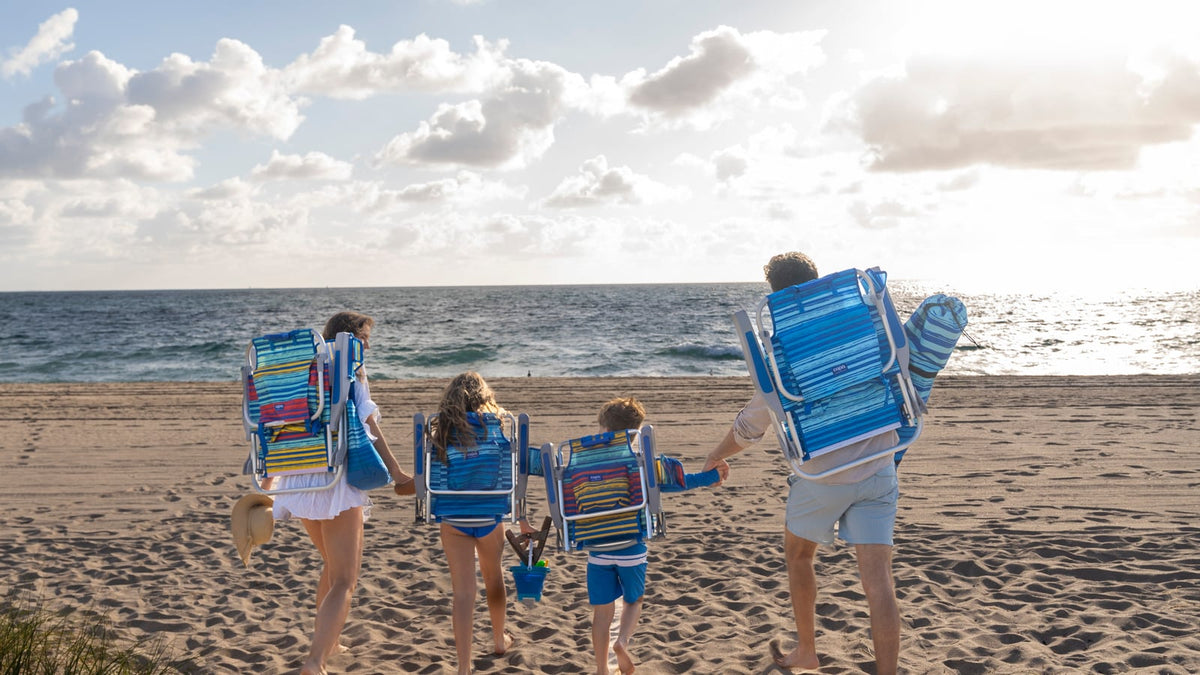
Here is a counterintuitive truth most travel sites will not tell you: the most beautiful beach on your bucket list is often the worst choice when you have a toddler in tow. Crashing surf, limited restrooms, no shade structures, and half-mile hikes through soft sand have derailed more family beach days than bad weather ever has. The beaches that consistently deliver the best experiences for families with young children are rarely the ones plastered across travel magazines. They are calm, shallow, well-equipped, and forgiving of the beautiful chaos that comes with bringing small humans to the ocean.
This ranked guide cuts through the noise. Each beach below was evaluated on five criteria that actually matter when you have a diaper bag in one hand and a sunscreen bottle in the other: water calmness and depth, amenity quality, shade access, crowd manageability, and overall ease of setup for a full day out. The ranking also factors in practical gear considerations, because the right best beach setup for families can transform any destination from stressful to spectacular. Whether you are planning your first coastal vacation with a two-year-old or you are a seasoned beach family looking for a new destination, this guide gives you the honest intelligence you need.
Why Most "Best Family Beach" Lists Get It Wrong
The standard approach to ranking family beaches focuses almost entirely on scenery and hotel proximity. What it consistently ignores is the operational reality of managing young children at the shore. A beach earns a top spot here by excelling at the things that dictate whether a family actually has a good time, not just a good photo.
The five ranking criteria used throughout this guide are:
- Water Safety: Shallow entry, calm surf, limited rip currents, and lifeguard coverage
- Amenity Infrastructure: Restrooms, rinse stations, concessions, and parking proximity
- Shade Access: Natural shade, rental availability, and space for personal shade structures
- Setup Ease: Surface conditions, beach width, and how manageable the terrain is with gear
- Crowd Dynamics: Seasonal patterns, peak-hour behavior, and family-friendly beach culture
One dimension that most lists overlook entirely is gear compatibility. Not every beach allows personal umbrellas or shade structures. Not every surface is amenable to standard anchor systems. These details matter enormously when you are traveling with the family beach day essentials that make a full day manageable. Throughout this guide, gear considerations are woven directly into each beach's profile so you can plan with complete information.
1. Siesta Key Beach, Florida: The Gold Standard for Family Comfort
Siesta Key Beach near Sarasota, Florida sits at the top of this list because it delivers on every single ranking criterion simultaneously, a rare achievement. The beach's quartz sand is so fine and powdery that it stays cool even in peak summer heat, which is a meaningful advantage when you have barefoot toddlers and the walk from parking to waterline can take fifteen minutes. The Gulf of Mexico water here is famously calm, warm, and shallow far offshore, creating a naturally safe wading environment that allows parents to relax without constantly sprinting toward the surf.
What Makes It Exceptional for Young Families
The amenity infrastructure at Siesta Key is among the best on the Gulf Coast. The main beach pavilion includes clean restrooms, outdoor showers, picnic shelters, and a concession area that means you are not entirely at the mercy of whatever you packed. Parking lots are plentiful relative to beach width, and the beach itself is wide enough that families can spread out without feeling pressed against strangers.
Shade access is excellent. The beach width gives families ample room to deploy personal shade structures, and the sand's unique consistency makes anchoring straightforward. For families traveling with a quality beach umbrella or cabana, Siesta Key's surface responds well to screw-in anchor systems, reducing setup frustration considerably. Copa's Anchor Max® technology was designed precisely for conditions like these, where a stable, secure hold matters most on a full day with children who will be running in and out from under shade repeatedly.
Practical Planning Notes
Arrive by 9:00 AM on weekends during peak summer season. By mid-morning, the main lot fills and families begin parking further away, adding to the gear-hauling equation. Weekday mornings offer a noticeably different, quieter experience. Water temperature is warm from late spring through early fall, making this a viable destination across a long seasonal window.
| Ranking Criterion | Siesta Key Rating | Notes |
|---|---|---|
| Water Safety | ✅ Excellent | Calm Gulf surf, shallow entry, lifeguards on duty |
| Amenities | ✅ Excellent | Full pavilion, restrooms, concessions, showers |
| Shade Access | ✅ Excellent | Wide beach, personal structures permitted, good anchor conditions |
| Setup Ease | ✅ Excellent | Powdery flat sand, manageable terrain, close parking |
| Crowd Dynamics | ⚠️ Good | Popular, but wide enough to absorb crowds; arrive early |
2. Coronado Beach, California: West Coast Calm for Toddler-Age Explorers
Coronado Beach on the Silver Strand near San Diego consistently earns high marks among families for a reason most visitors do not anticipate: the southern end of the beach, away from the hotel strip, offers remarkably tame surf conditions by California standards. For a state where the Pacific's power is the norm, finding a stretch of coastline where toddlers can safely splash without being knocked flat is genuinely valuable. The sand here is golden and firm near the waterline, making it easier to push strollers and haul wagons than at many softer-sand California beaches.
The Setup Advantage
Coronado's wide, flat beach profile gives families room to breathe. Shade structures are permitted and the firm sand composition means anchoring is reliable. Families who bring a well-engineered umbrella system will find this surface cooperative. The beach's orientation also means afternoon shade lines shift predictably, which matters when you are planning a five-hour day and need to keep infants out of direct sun.
The complete beach setup for families becomes especially important on a beach like Coronado, where the combination of wind off the bay and Pacific exposure can make a poorly anchored umbrella into a projectile. A system built with stability as the primary design goal, rather than portability as an afterthought, is the right call here.
Amenities and Access
Restrooms and rinse stations are available along the main beach access points. The Hotel del Coronado provides a landmark for orientation, and the surrounding area offers dining options within easy walking distance. Parking is structured but manageable during weekday visits. The ferry from downtown San Diego is a genuinely enjoyable arrival option that eliminates parking stress entirely and adds a memorable layer to the day for older children.
Ocean temperature on the Southern California coast runs cooler than Gulf destinations, which is worth noting for families with very young children or those sensitive to cold water. Wetsuits for toddlers are a practical consideration from fall through spring.
3. Kaanapali Beach, Hawaii: When the Investment Is Worth It
Kaanapali on Maui's west side earns its place on this list despite the obvious logistical and financial barrier of traveling to Hawaii. For families who make the trip, the payoff in terms of water clarity, calmness (at the northern end near Black Rock, surf is minimal), consistent sunshine, and overall beach quality is difficult to match anywhere in the continental US. The ranking acknowledges this destination as aspirational for many families but essential to include because it genuinely is among the most family-friendly ocean environments in the country.
Water Conditions and Safety
The northern stretch of Kaanapali near Pu'u Keka'a (Black Rock) offers protected, shallow water that is ideal for toddlers. The central and southern portions of the beach have more surf activity and are better suited for older children and stronger swimmers. Lifeguard coverage is available at designated stations, and the water's clarity makes it easy to keep visual contact with young swimmers at shallow depths.
Shade and Gear Considerations
Most families at Kaanapali rent shade equipment from beachside concessionaires, which removes the need to travel with bulky gear. However, for families who visit Hawaii regularly, or who rent a condo rather than staying at a resort, bringing personal shade equipment makes strong financial sense over multiple days. The sand at Kaanapali is generally cooperative for standard anchor systems, though wind can pick up in the early afternoon and stability becomes a priority.
The UV index in Hawaii is substantially higher than most mainland US destinations. Sun safety is not optional here, and shade access should be treated as essential beach gear for toddlers and kids, not a comfort upgrade.
4. Cape Hatteras National Seashore, North Carolina: Underrated and Genuinely Uncrowded
Most families overlook the Outer Banks in favor of more developed coastal destinations, which is precisely why Cape Hatteras deserves a higher spot on any honest family beach list. The national seashore designation means commercial development is deliberately limited, the beaches are wide and often genuinely uncrowded even during summer peak season, and the natural environment is spectacular in a way that is increasingly rare on the East Coast.
The Crowd Advantage
This is the single biggest differentiator for Cape Hatteras. Families with young children benefit enormously from lower crowd density. Setup is easier, children can move more freely, and the stress of managing personal space that dominates a beach day at more popular destinations simply evaporates. The trade-off is fewer amenities at any given access point, which means preparation matters more here than at a destination like Siesta Key.
Water Safety Nuance
The Outer Banks' Atlantic surf is more dynamic than Gulf destinations, and rip currents are a genuine consideration. The National Weather Service's rip current forecast for the Outer Banks is an essential planning resource, and families with very young children should prioritize sound-side beaches (the calmer bay side of the barrier islands) rather than the ocean side during periods of elevated surf. Pamlico Sound offers flat, warm, extremely shallow water that is nearly perfect for toddlers.
Gear Planning for a National Seashore
Because amenity infrastructure is intentionally limited, families visiting Cape Hatteras need to be genuinely self-sufficient. This means packing out trash, bringing your own water and food, and investing in shade equipment that performs reliably without any backup from a concession stand rental. For families building a gear kit designed for less-developed beaches, a stable umbrella or cabana with a proven anchor system is non-negotiable. Consulting a comprehensive family beach packing list before a trip to a national seashore is particularly important precisely because the margin for forgetting something essential is much smaller.
| Beach | Best For | Biggest Challenge | Gear Priority |
|---|---|---|---|
| Siesta Key, FL | All ages, full-day stays | Weekend crowds | Shade structure, chairs |
| Coronado, CA | Toddlers to school age | Cool water, wind | Stable umbrella anchor |
| Kaanapali, HI | Toddlers, snorkelers | Travel cost, UV index | Sun protection, shade |
| Cape Hatteras, NC | Space-seeking families | Limited amenities | Full self-sufficiency kit |
| Caladesi Island, FL | Nature-loving families | Ferry access only | Lightweight, packable gear |
| Rehoboth, DE | Mid-Atlantic families | Summer crowds | Chairs, shade, storage |
| Gulf Shores, AL | Value-conscious families | Jellyfish season | Full bundle gear |
| Sandy Hook, NJ | Day-trip families | NYC proximity crowds | Compact, efficient setup |
5. Caladesi Island State Park, Florida: The Unspoiled Secret
Caladesi Island near Dunedin, Florida requires a ferry to reach, and that single logistical requirement is the primary reason it remains one of the most undervisited exceptional family beaches in the entire state. The ferry ride from Honeymoon Island State Park takes roughly fifteen minutes, and the daily visitor cap enforced by the state park system means that the beach never approaches the density levels seen at nearby Clearwater Beach. For families who prioritize space, cleanliness, and a genuinely natural environment, Caladesi is worth the extra planning step.
Why the Ferry Is a Feature, Not a Bug
The ferry-only access to Caladesi is often cited as a deterrent, but it functions as the island's most effective crowd management tool. Because visitor numbers are capped and the ferry schedule is fixed, families who plan ahead and make reservations arrive to a beach that feels preserved rather than overrun. The sand quality rivals Siesta Key. The Gulf water is equally calm and warm. The restroom facilities at the marina end of the beach are clean and regularly maintained.
The critical planning implication is that everything you need for the day must travel with you on the ferry. This is where beach day must haves for families become a serious logistical consideration rather than a casual afterthought. Lightweight, packable gear that does not sacrifice functionality is essential. Bulky equipment that works fine in a parking lot becomes a genuine burden on a ferry and a beach with no rental concessions.
Gear Selection Strategy for Island Access
Families heading to Caladesi benefit most from a coordinated, bundled gear approach where every item has been selected to work together and minimize total weight and volume. A compact beach chair that provides genuine back support, paired with a shade structure that packs into a manageable carry bag, is the combination that makes an island beach day genuinely relaxing rather than exhausting. Copa's bundled packages are specifically designed around this systems thinking, where the chair, umbrella or cabana, and accessories function as a unified kit rather than a collection of independently purchased items.
The Anchor Max® technology built into Copa's shade products is particularly relevant on Gulf island beaches where wind can arrive without much warning. A screw-in anchor system that bites securely into Gulf sand and holds through wind gusts means you are not chasing your umbrella across the beach while simultaneously managing young children near the water.
6. Rehoboth Beach, Delaware: The Mid-Atlantic's Most Family-Committed Shore Town
Rehoboth Beach earns its place on this list not for any single spectacular natural feature but for the comprehensive ecosystem of family-friendly infrastructure it has built over generations. The boardwalk culture here is genuinely oriented toward families with children. The beach regulations, the town layout, the restaurant options, the parking structure, and the activity programming all reflect a community that has made a deliberate choice to prioritize the family visitor experience.
What Infrastructure Maturity Looks Like
Families visiting Rehoboth for the first time are often struck by how smoothly everything works. Parking is managed by the city with designated family-accessible lots. The boardwalk provides a firm, stroller-navigable path that runs the length of the beach. Restrooms are available at regular intervals. Lifeguards are stationed throughout the summer season on a schedule that covers peak hours. The beach itself is wide, with a gradual entry into the Atlantic that accommodates young children better than many East Coast alternatives.
The surf at Rehoboth is genuine Atlantic, which means it is more active than Gulf destinations. Families with toddlers under age two should plan their water time carefully around surf conditions and consider the inner surf zone, closest to shore, where wave energy is largely spent. Older children (three and up) generally adapt quickly and find the mild Atlantic waves exciting rather than overwhelming.
Shade Setup and Local Regulations
Rehoboth permits personal shade structures, including umbrellas and small cabanas, within designated beach zones. The firm, packed sand near the waterline can make anchoring less reliable than looser sand further up the beach. Positioning your shade structure in the mid-beach zone, where sand has better depth and looser composition, improves anchor performance significantly. Families with Copa's shade equipment will find that the Anchor Max® system's design specifically addresses variable sand conditions, providing a reliable hold across different beach surface types.
The broader Delaware shore, including Dewey Beach and Bethany Beach, shares many of Rehoboth's infrastructure advantages with somewhat lower crowd densities. Families who find Rehoboth itself too busy during peak season often shift south to Bethany, which maintains a similarly family-oriented culture in a quieter setting.
7. Gulf Shores, Alabama: The Value-Conscious Family's Best Kept Secret
Gulf Shores, Alabama represents the best value proposition on this entire list. The Gulf water here shares the same calm, warm, shallow characteristics as Florida's Gulf Coast but at a significantly lower price point for accommodation, dining, and overall trip cost. The sugar-white quartz sand is geologically identical to Siesta Key, a fact that surprises many first-time visitors who expect a compromise in sand quality relative to Florida's more famous Gulf beaches. There is no compromise. The sand is spectacular.
Why Families Keep Coming Back
The family return-visit rate at Gulf Shores is exceptionally high, and the reason is simple: it delivers on the fundamentals without the premium price tag attached to more marketed destinations. The water is calm and warm. The beach is wide. Parking is manageable. Rental properties offer good value relative to comparable Florida Gulf Coast alternatives. The Gulf State Park beach access points provide well-maintained facilities including restrooms, outdoor showers, and covered pavilion areas.
For families who are building out a full beach gear kit for the first time, Gulf Shores is an ideal testing destination. The conditions are forgiving, the crowds are manageable compared to Florida's most famous beaches, and the beach's characteristics make it an excellent environment for learning what gear works for your family's specific needs and what adjustments you want to make for future trips.
Seasonal Timing and the Jellyfish Variable
One honest planning note: Gulf Shores, like much of the Alabama and Northwest Florida Gulf Coast, experiences periodic jellyfish and sea nettle presence during summer months. The NOAA National Centers for Coastal Ocean Science publishes resources on jellyfish activity along the Gulf Coast. Checking local beach conditions through Alabama State Parks or the Gulf Shores official beach management channels before planning a water-focused day is worth the five minutes it takes. Most jellyfish events are short-lived, and the beach remains fully enjoyable for sand play and shallow wading during these periods.
Gear Performance in Gulf Shores Conditions
The soft, fine sand at Gulf Shores is ideal for screw-in anchor systems. Families using Copa's shade products with the Anchor Max® technology find that the soft Gulf sand provides excellent bite depth, resulting in a more stable hold than firmer Atlantic sand beaches. Wind is generally moderate but can increase significantly during afternoon convective weather patterns common to the Gulf Coast in summer. A well-anchored shade structure is not just a comfort feature here; it is a genuine safety consideration when afternoon storms approach and winds precede the rain by thirty or more minutes.
For families planning their full beach day setup, reviewing Copa's Beach Tips blog provides practical, destination-aware guidance on optimizing your gear selection and beach day logistics.
8. Sandy Hook, New Jersey: The Underappreciated Day-Trip Gem
Sandy Hook closes out this list as the representative of a specific and underserved family beach need: the accessible, high-quality day-trip beach within reach of a major metropolitan area. For the millions of families living within the New York metropolitan region, Sandy Hook is the answer to a question they should be asking more often. Gateway National Recreation Area administers the beach, which means federal land management, consistently maintained facilities, and a beach environment that is genuinely different from the commercialized Shore towns to the south.
The Day-Trip Setup Challenge
Day-trip beaches present a specific gear optimization challenge. Families are not staying nearby; everything comes with them from home and must be manageable for a single-day operation. This means the gear needs to pack efficiently in a vehicle, set up quickly once on the beach, perform reliably for four to eight hours, and pack back down without creating a two-hour end-of-day ordeal while managing tired, sandy children.
The best beach products for summer for a day-trip context are those that strike the balance between genuine functionality and transport efficiency. A beach chair that folds into a compact carry bag, a shade structure that sets up in under five minutes and anchors securely, and a bag system that keeps wet and dry items organized are the gear priorities for day-trip beach families. Copa's bundled approach, where chairs, shade, and accessories are designed as a system, addresses this challenge directly by eliminating the incompatibility issues that come with assembling gear from multiple brands.
Sandy Hook Logistics
The ferry service from Manhattan to Sandy Hook (operated seasonally) is one of the great underutilized transportation options in the New York metro area. For car-free families or those who want to avoid the parking situation on peak summer weekends, the ferry provides a direct, enjoyable connection. The beach at Gunnison and North Beach areas within Sandy Hook offers wide, relatively uncrowded conditions compared to the more popular central access points. Lifeguard coverage is available at designated swim areas. Restrooms and rinse stations are maintained by the National Park Service.
Atlantic surf at Sandy Hook is more active than Gulf destinations, and rip currents are a genuine consideration on days with elevated swell. The National Park Service's beach safety guidance for Gateway National Recreation Area provides current-condition information and rip current awareness resources that every family should review before visiting.
For families who also want to celebrate beach season with a meaningful occasion, pairing a Sandy Hook day trip with a Fourth of July weekend visit to one of the best beaches for Fourth of July weekend can turn a single trip into a genuine seasonal memory.
The Gear Framework That Makes Any Beach Work Better
Ranking beaches by ease and comfort for families with young children reveals a consistent truth: destination quality and gear quality are both necessary, and neither fully compensates for the other. The best beach in the country becomes a difficult day without the right equipment. Adequate gear on a mediocre beach still produces a better experience than exceptional scenery paired with a sunburned, poorly equipped family trying to improvise shade out of a towel and two chairs.
The family beach day essentials framework that applies across all eight destinations above organizes gear into four functional categories:
Category 1: Shade and Sun Protection Infrastructure
This is the single highest-impact gear category for families with children under ten. Shade is not a comfort luxury; it is a health necessity in virtually every beach environment on this list. The UV index at peak hours on a Gulf Coast beach, a Hawaiian beach, or even a mid-Atlantic beach in July is high enough to cause sunburn in young children within twenty to thirty minutes of unprotected exposure. Shade structures that provide meaningful coverage, anchor reliably in sand, and stay put when wind picks up are the foundation of a safe family beach day.
Copa's shade products, including beach umbrellas and cabana-style structures, are built with the Anchor Max® system as a core feature rather than an add-on. The practical difference between a shade structure that anchors with a patented screw-in system and one that relies on a standard push-in spike becomes apparent the first time a wind gust arrives. For families with infants and toddlers who may be napping under the shade, or who cannot move themselves out of danger quickly, a shade structure that stays anchored is a genuine safety feature.
Category 2: Seating That Supports All-Day Comfort
Beach chairs are the piece of gear most families underinvest in, typically because the per-unit cost feels discretionary against the total trip budget. The result is a family using department-store lounge chairs that provide no back support and collapse unexpectedly, spending the afternoon physically uncomfortable and less engaged with their children. A quality beach chair designed for multigenerational use, with adjustable positioning and durable construction, pays for itself across a single season of regular beach visits.
Copa's chair lineup reflects the understanding that families need seating that works for adults across a full day, not just for the first hour. The combination of chair quality and shade coverage is what transforms a beach setup from functional to genuinely relaxing. This is why bundled purchasing, where chairs and shade products are selected to work together as a system, produces a better overall outcome than assembling gear piecemeal from different brands.
Category 3: Organization and Transport Systems
The third category is often the difference between a family that enjoys getting to the beach and one that dreads the setup and breakdown process. Beach bags, coolers, toy storage, and the physical transport of all gear from car to sand requires a system. Families that have not solved this problem find that the fifteen-minute walk from parking to a good beach spot becomes a stressful, multiple-trip ordeal that sets a negative tone for the entire day.
The beach wagon has become the standard transport solution for families, and for good reason. A wide-wheeled wagon that navigates soft sand without sinking carries chairs, shade equipment, a cooler, and a bag of toys in a single trip and gives young children a ride option when their legs give out on the walk back. Pairing a wagon with gear that has been designed for efficient packing, where nothing requires awkward positioning or separate carry cases, makes the loading and unloading process manageable even with a toddler providing "assistance."
Category 4: Kid-Specific Gear and Comfort Items
The fourth category covers the items that directly address children's specific needs at the beach: UV-protective swimwear, reef-safe sunscreen, sand toys, a small inflatable or mesh baby seat for infants who cannot yet sit independently, a portable changing pad, and snacks in quantities that exceed any reasonable estimate of what children will actually consume. This category is highly individual to each family's children's ages and needs, but the consistent principle is that children who are comfortable, entertained, and not overheated or sunburned allow parents to actually enjoy the beach day rather than simply survive it.
For a comprehensive overview of what belongs in each category for a fully equipped family beach day, Copa's ultimate family beach packing list provides a structured, age-aware checklist that covers everything from sunscreen application timing to snack selection strategy.
How to Choose the Right Beach for Your Family's Specific Situation
The ranked list above represents a general hierarchy based on broad family-friendliness criteria, but the right beach for your family depends on factors specific to your children's ages, your travel radius, your budget, and your tolerance for logistical complexity. The decision framework below helps translate general rankings into a personal recommendation.
The Family Beach Selection Decision Framework
| Your Situation | Priority Criterion | Best Match from This List | Gear Focus |
|---|---|---|---|
| Infant or toddler under 2 | Water calmness, shade access | Siesta Key, Gulf Shores, Caladesi Island | Cabana-style shade, infant seat, full sun protection |
| Active kids ages 3–8 | Beach width, amenities, lifeguard coverage | Rehoboth, Siesta Key, Coronado | Chairs, shade umbrella, toy kit, wagon |
| Day trip from a metro area | Access ease, efficient setup | Sandy Hook, Coronado, Rehoboth | Bundled system, compact packing, quick setup |
| Multi-night vacation, budget-conscious | Value, water quality, amenities | Gulf Shores, Cape Hatteras | Full kit investment pays off over multiple days |
| Seeking natural, uncrowded experience | Crowd density, natural setting | Caladesi Island, Cape Hatteras | Lightweight, self-sufficient, packable gear |
| Multigenerational group (grandparents included) | Amenities, accessibility, comfort | Siesta Key, Rehoboth, Gulf Shores | Multiple premium chairs, large shade structure |
What the Best Beach Setups Have in Common
Across all eight beaches on this list, and across the thousands of family beach days that the gear and destination choices above are designed to support, the setups that produce the best experiences share a consistent set of characteristics. Understanding these patterns helps families make smarter decisions about both where they go and what they bring.
Shade is established before children arrive at the waterline. The families who set up shade first and then move children to the water are the ones who have a designated cool, protected base camp to return to. The families who set up shade as an afterthought are the ones who spend the afternoon with cranky, overheated children and a poorly anchored umbrella that has already blown over twice.
Seating accommodates adults, not just children. Toddlers and young children do not need dedicated beach chairs; they need proximity to water, sand to dig in, and snacks. Adults need seating that provides genuine back support for a four-to-six-hour day. Investing in adult seating quality is the gear decision that most directly improves parental enjoyment of the beach day, which in turn improves the overall family experience.
The setup is repeatable without significant effort. The families who go to the beach most frequently are the ones who have a system. Gear that packs the same way every time, loads into the same vehicle spots, and sets up in the same sequence produces a beach day that begins with momentum rather than stress. This is the practical argument for bundled beach gear that has been designed to work as a system: consistency of setup reduces friction and makes the beach feel like a natural extension of family life rather than a logistical project.
Anchor performance is treated as non-negotiable. Every beach on this list has wind. Every beach on this list has experienced a family watching their umbrella tumble across the sand. The families who have solved this problem with a quality anchor system are the ones who spend their beach day watching their children rather than chasing equipment. Copa's Anchor Max® technology addresses this directly, providing the kind of reliable, secure hold that turns shade infrastructure from a source of anxiety into a source of genuine comfort.
Frequently Asked Questions
What is the calmest beach in the US for toddlers?
Siesta Key in Florida and Gulf Shores in Alabama both offer extremely calm Gulf water that is exceptionally safe for toddlers. The Gulf of Mexico's naturally protected geography produces surf conditions that are dramatically gentler than Atlantic beaches, making Gulf Coast destinations the default recommendation for families with children under three years old.
Do I need to bring my own shade to these beaches, or can I rent?
It varies significantly by destination. Kaanapali in Hawaii and some sections of Siesta Key offer rental concessions. Caladesi Island, Cape Hatteras, and Sandy Hook do not have rental options on the beach itself. The safest approach for any family beach trip is to bring personal shade equipment, which also ensures you are not dependent on rental availability or additional daily costs.
What beach gear for toddlers and kids is truly essential?
The non-negotiable items for families with toddlers are: a reliable shade structure that anchors securely, reef-safe high-SPF sunscreen applied before arrival and reapplied every 90 minutes, UV-protective swimwear, a change of dry clothes, more snacks and water than you think you need, and a transport system (wagon or large tote) that makes the walk from parking to beach manageable in a single trip.
How does the Anchor Max® system work on different sand types?
Copa's Anchor Max® technology uses a screw-in design that creates a secure hold in both loose fine sand (Gulf Coast beaches) and more compacted sand (Atlantic beaches). The key advantage over standard push-in spike systems is that the screw-in mechanism distributes lateral force across a larger contact area, making it significantly more resistant to pulling out when wind applies horizontal pressure to the shade structure above.
Which beach on this list is best for a multigenerational family group?
Siesta Key, Rehoboth Beach, and Gulf Shores are the top three choices for multigenerational groups. All three offer excellent amenity infrastructure (important for grandparents who may need restroom access without a long walk), wide beaches that accommodate large group setups, and water conditions that work across age ranges from toddlers to older adults who want to wade.
Is Cape Hatteras safe for young children?
Cape Hatteras National Seashore is safe for young children with appropriate precautions. The ocean-side beaches have genuine Atlantic surf and rip current risk, making them better suited to older children and adults. The sound-side beaches on Pamlico Sound offer flat, warm, extremely shallow water that is nearly ideal for toddlers. Families with children under three should prioritize the sound side and check current rip current forecasts before any ocean-side water activity.
What is the best beach setup for families who are doing a day trip?
For day trips, the priority is a setup that packs efficiently, deploys quickly, and breaks down without creating a prolonged ordeal at the end of a long day with tired children. A bundled gear system where chairs, shade, and accessories are designed to pack and work together eliminates the compatibility issues that slow down families using gear from multiple brands. Copa's bundled packages are specifically designed for this use case.
When is the best time of year to visit Gulf Shores with young children?
Late May and early June, or mid-September through early October, offer the best combination of warm Gulf water, manageable crowds, and comfortable air temperature for families with young children. Peak July and August bring the highest crowds and the highest UV index. Spring break weeks in March and April are warm but can be crowded with college-age visitors depending on the specific dates.
Can I bring a beach cabana to all of these beaches?
Most of the beaches on this list permit personal beach cabanas and shade structures, though specific rules vary. National Park Service beaches (Cape Hatteras, Sandy Hook) and state parks (Caladesi Island) have specific regulations that should be reviewed on their official websites before visiting. Municipal beaches like Rehoboth and Siesta Key have their own seasonal regulations that are updated annually. When in doubt, check the specific beach management authority's current rules before your visit.
What should I look for in a beach chair for a full day with kids?
The key features for a family beach chair are: adjustable back positioning (for sitting upright during meals and reclining during rest), durable frame construction that handles the repeated setup and breakdown cycle of regular beach use, comfortable fabric that does not retain heat excessively, and a carry system that makes transport manageable without being awkward. A chair that provides genuine lumbar support is the difference between feeling refreshed and feeling sore after a full day at the beach.
How do I keep my beach setup stable in wind?
Stable shade in wind requires three elements: a quality anchor system (screw-in designs outperform push-in spikes consistently), proper angle adjustment so the shade structure is angled slightly into the prevailing wind rather than perpendicular to it, and a structure that has been engineered for wind resistance in its frame and canopy design. Copa's Anchor Max® technology addresses the anchor component, which is typically the first failure point when wind arrives at a beach setup.
Are bundled beach gear packages worth the investment for families?
For families who go to the beach more than three or four times per season, bundled beach gear packages consistently deliver better value than assembling equivalent items individually. The primary benefits are compatibility (everything is designed to work together), cost efficiency (bundled pricing is typically better than individual item pricing), and the simplicity of a single purchase decision. Copa's Deluxe Bundle and Essentials Bundle are structured specifically around the needs of families who want a complete, coordinated setup without the research burden of evaluating dozens of individual products.
Key Takeaways for Families Planning Their Next Beach Day
- Gulf Coast beaches (Siesta Key, Gulf Shores, Caladesi Island) are the safest water environments for toddlers due to calm, shallow surf conditions that Atlantic beaches cannot match for this age group.
- Crowd density matters as much as beach quality. A less-famous beach with space to breathe often produces a better family experience than a celebrated beach that feels like a parking lot in July.
- Shade infrastructure is the highest-impact gear investment for families with children under ten. A quality shade structure with a reliable anchor system like Copa's Anchor Max® transforms the safety and comfort of a full beach day.
- National seashore and state park beaches (Cape Hatteras, Caladesi Island, Sandy Hook) offer exceptional natural quality at the cost of reduced amenity infrastructure, requiring families to be more self-sufficient in their gear selection.
- Bundled gear systems reduce friction at every stage of the beach day, from packing and loading to setup, breakdown, and storage. Copa's bundled packages are designed specifically for families who want everything to work together without the assembly puzzle.
- Arrive early on weekends at any popular destination. The difference between arriving at 8:30 AM and 10:30 AM at Siesta Key or Rehoboth is often the difference between a great spot and a compromised one.
- The best beach for your family is the one that matches your children's ages, your logistical constraints, and your gear readiness, not necessarily the one with the highest national ranking or the most Instagram coverage.
Shop Now
Learn more →
Share:
Why Brazilian Beach Culture Produces the World's Best Beach Gear Philosophy
What Is Patented Anchor Max® Technology and Why It Matters for Beach Safety