

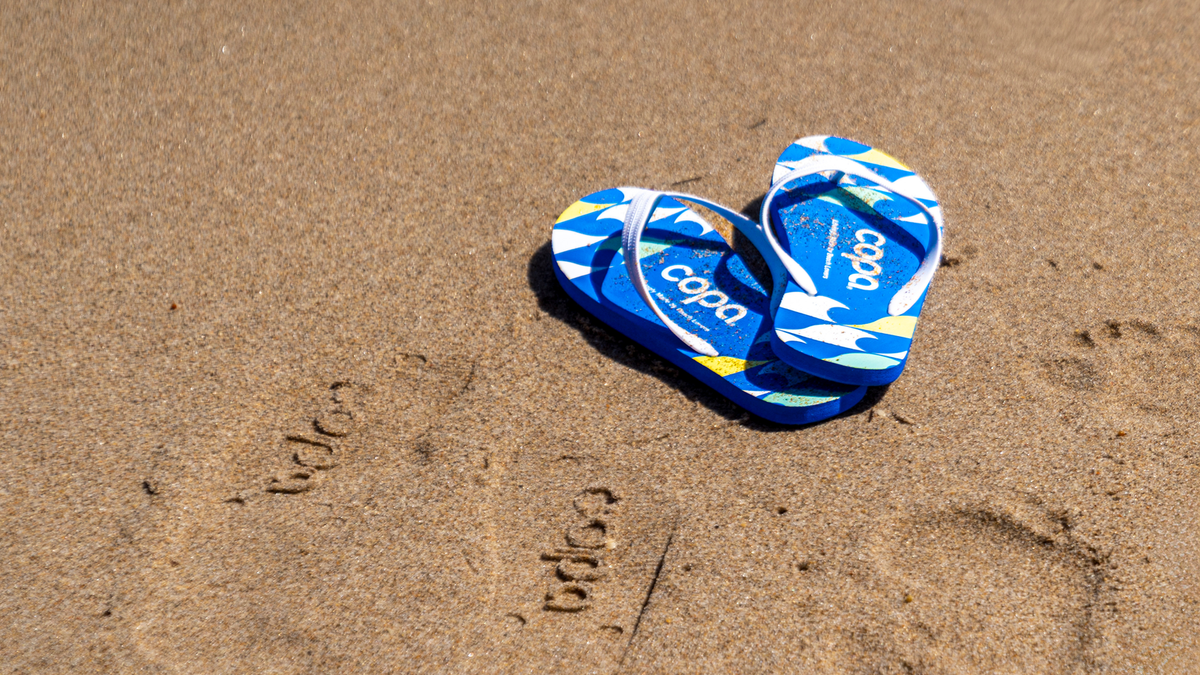
Most people don't think about their chair until they're already standing in a crowd, forty-five minutes into a parade route, with no end in sight and a six-year-old pulling at their sleeve asking to be carried. The seating decision, made casually the night before or borrowed from the garage, suddenly becomes the defining variable in how the entire day feels. Fall outdoor events are back in force, and whether you're staking out a spot along a downtown parade route, spreading out at a weekend harvest festival, or settling in for a three-hour outdoor concert under the stars, the chair you bring matters far more than most people anticipate.
This guide is for people who want to stop improvising. Festival chairs, parade seating, and outdoor concert chairs each demand something meaningfully different from the person sitting in them, and understanding those differences before you load up the car is the fastest route to a genuinely good time. We'll walk through what makes each venue type unique, what seating features actually matter in each context, how to evaluate portability versus comfort trade-offs, and how to build a complete fall outdoor events kit that works across every scenario you're likely to face this season.
Why Fall Outdoor Events Are Harder on Gear Than You Expect
Fall outdoor events look relaxed on a flyer, but they impose real physical demands on the people attending them and the equipment they bring. Understanding those demands is the first step toward making a smarter seating choice before the season gets away from you.
The challenge begins with temperature variation. An October morning parade might start in the low 50s and climb to the mid-70s by afternoon, which means you're layering up at 9 a.m. and peeling down by noon. A festival that runs from midday into the evening creates the reverse problem: warmth at the start, sharp chill after sundown. Neither extreme is the main threat to your comfort, but the swing between them is. Rigid, non-breathable seating that traps heat becomes a liability as the day warms, while chairs with open-weave fabrics that felt perfect at 2 p.m. can feel brutally cold once the sun dips below the tree line.
Then there's the ground itself. Festival grounds are rarely the manicured flat surfaces they appear to be in promotional photos. Grass fields develop ruts from foot traffic. Parade sidewalks slope toward gutters. Concert venues on fairgrounds or park lawns present uneven terrain that can cause lightweight chairs to sink, shift, or tip, especially once the fabric has been loaded with a full day's worth of sitting. Portable event seating that performs well on a beach, a surface that most quality outdoor chairs are designed around, doesn't automatically translate to optimal performance on compacted dirt, gravel, or uneven asphalt.
Storage and transport add another layer of complexity. Unlike a beach day, where you typically park close to a point of entry and haul gear a few hundred feet, fall outdoor events often involve parking blocks away, navigating crowded streets, and carrying everything from the car to a specific spot that may be far from any vehicle access. The weight and packaged size of your chair becomes a genuine factor in how the day starts, not just how it ends.
Finally, duration is often underestimated. A local holiday parade might clock in at two hours from the first float to the last marching band. A craft festival with food vendors and live music can stretch six to eight hours. An outdoor concert, once you account for arrival, lineup, and the show itself, can easily become a five-hour commitment. Chairs that are tolerable for ninety minutes become punishing at hour four. This is where the quality of the frame, the fabric tension, and the ergonomic geometry of the seat back start to matter in ways that budget chairs simply cannot match.
What Parade Seating Actually Requires (And What Most People Get Wrong)
Parade seating is one of the most specific and poorly understood use cases in portable event seating. The requirements are different enough from other outdoor event scenarios that bringing the wrong chair can turn a festive morning into an endurance exercise.
The core challenge of a parade is that you are not moving. You claim a spot, you set up, and you stay there, often for ninety minutes to two hours before the parade even begins, and then for another hour or two as the parade passes. That is a long time to be stationary on a sidewalk or a park strip, and it places a premium on two things: low-profile seating that keeps sightlines clear for the people around you, and ergonomic support that makes long stationary sitting genuinely comfortable rather than merely tolerable.
The sightline issue is real and often creates friction at parade events. Tall, high-backed chairs that are perfectly comfortable for a campsite or a beach are inconsiderate choices on a parade route because they block the view of everyone seated or standing behind you. Low-slung chairs, or chairs with a compact, streamlined profile, are the socially appropriate choice, and some cities and parade organizers also set rules on where and when chairs can be placed along the route, so check before you go.
Ground Surface Considerations for Parade Routes
Parade routes typically run on hard surfaces: concrete sidewalks, asphalt streets temporarily closed to traffic, or packed gravel paths in park settings. These surfaces are fundamentally different from sand or soft grass. Chairs with bare metal or hard plastic feet that work beautifully on sand can slide or scratch on smooth concrete. Wide, flat feet that provide stability on soft ground can become tippy on sloped sidewalks where the concrete angles toward the gutter.
Look for chairs with feet that have non-slip grip and a design that distributes weight evenly even on a slight incline. The last thing you want is to spend two hours unconsciously correcting a chair that keeps trying to slide forward on a sloped sidewalk, which is exactly the kind of low-grade physical stress that makes people decide they're "not parade people" when the real culprit was the chair.
Compact Carry for Crowded Spaces
Parade routes are crowded. Getting to your spot means navigating through thick foot traffic with your hands full. The ideal parade chair packs down small, carries easily in one hand, and doesn't require you to perform a spatial puzzle to set up in a tight strip of sidewalk. Chairs that fold into a compact bundle and can be slung over a shoulder or tucked under one arm while you manage a stroller, a child, a bag, and a coffee are the only chairs that are truly practical for this scenario.
Festival Chairs: Solving the Six-Hour Comfort Problem
A festival is an entirely different animal from a parade. Where a parade asks you to sit in one place and watch something pass, a festival asks you to roam, rest, roam again, and eventually settle somewhere for a longer stretch. This creates a different set of demands for your festival chairs, and the people who bring the wrong gear pay for it by the third hour.
The most important feature for a festival chair is the balance between packability and genuine seated comfort. Many ultralight chairs that fold down to the size of a water bottle feel like sitting on a bungee cord by hour two. They sacrifice lumbar support and seat depth to achieve their compact form factor, and the body notices, even if the mind doesn't register it consciously until a dull ache sets in at the lower back. Conversely, the most comfortable camp chairs are often heavy, bulky, and genuinely impractical to haul across a fairground all day.
The sweet spot for festival chairs sits in a middle category: chairs that pack down to a reasonable carry size, weigh under ten pounds, and provide genuine back support across a seated angle that doesn't pitch the occupant forward or back. Seat depth matters here. A shallow seat pan that cuts into the back of the thighs after an hour is a design failure for festival use, regardless of how good it looks in a product photo.
Armrests and Cup Holders at Festivals
Festivals typically involve food, drinks, and the social pleasure of sitting with people you know while watching something happening nearby. Armrests aren't a luxury in this context; they're functional. They give you somewhere to put your arms when you're having a conversation rather than watching a stage, and they make standing up and sitting down dozens of times across a six-hour event significantly less physically taxing. Cup holders, similarly, transform from a nice-to-have into a genuine quality-of-life feature when you're managing a cold drink in one hand and a plate of festival food in the other.
Ground Conditions at Festival Venues
Festival grounds are notoriously variable. Early in the day, a grass field might be firm and easy to navigate. By afternoon, especially after rain the night before or heavy foot traffic, the same field can develop soft patches where chair legs sink unevenly. Some festivals take place on gravel, packed dirt, or compacted fairground surfaces that are hard on equipment that wasn't designed with that surface in mind.
Wide, flat feet perform better on soft ground because they distribute weight over a larger surface area. Narrow, pointed legs sink. If you're heading to a festival on grass or soft terrain, pay attention to the leg design of any chair you're considering, because a chair that sinks two inches into soft ground at an uneven angle becomes uncomfortable fast, and extracting it repeatedly is exhausting.
Outdoor Concert Chairs: A Completely Different Set of Rules
An outdoor concert is the most demanding event type of the three for seating, and also the one where the wrong chair creates the most visible social friction. Understanding what an outdoor concert chair needs to do well requires thinking carefully about the specific physical and social environment of a live music event.
First, the duration. Outdoor concerts, particularly at fall festival-style venues like amphitheaters, fairground stages, or park settings, routinely run four to six hours once you account for arrival, an opening act, a headliner, and the post-show exit. Sitting for that duration on a chair with poor lumbar support is not just uncomfortable; it can leave you genuinely sore the next morning. A good outdoor concert chair needs to support the full length of the lumbar spine, not just provide a surface to sit on.
Second, the social geometry. At a concert, you're not just sitting; you're interacting with the people around you, turning to talk, leaning forward when something exciting happens on stage, and occasionally standing up to dance or see better. A chair that locks you into one rigid position is a poor concert companion. Look for chairs that allow you to shift your weight, sit forward on the edge, or recline slightly without feeling like you're fighting the chair's geometry every time you move.
Viewing Angles and Seat Height at Concerts
Seat height is more consequential at concerts than at any other outdoor event type. Too low, and you're looking up at the stage from below the standing height of everyone around you, which means the moment the crowd stands up (and they will stand up), you have no view at all. Too high, and you're blocking the sightlines of the people seated behind you, which generates social pressure and sometimes explicit complaints.
The ideal outdoor concert chair height positions the occupant at a level where they can see comfortably when the crowd is seated, and can stand easily from the chair when the crowd is on its feet. A low-profile chair that is easy to get out of tends to hit this balance well for most adults at outdoor concert settings. Many lawn venues set a maximum chair or seat height, sometimes as low as 9 inches, so checking with the venue before you go is worth thirty seconds of effort.
Sound and Vibration Considerations
One small consideration at loud outdoor shows is that you will feel the bass as well as hear it, mostly through the air rather than through your seat. Some people find that chairs with rubber feet or padded contact points feel a little more settled than bare-metal legs, but this is a matter of personal preference rather than a reason to rule out any chair type.
The Portability Spectrum: Matching Carry Weight to Event Reality
One of the most persistent mistakes people make when buying portable event seating is optimizing purely for comfort at the expense of portability, or vice versa. The chair you choose needs to actually make it to the event in your hands, which means thinking honestly about the physical reality of your transit from car to venue spot.
Consider the full picture of what you're carrying. For a family attending a fall festival, a typical load might include a cooler or insulated bag, a backpack with snacks, sunscreen, and layers, a stroller or carrier for young children, and two to four chairs. In that context, a chair that weighs eight pounds and folds into a compact shoulder-carry bag is a very different physical proposition than one that weighs fourteen pounds and requires two hands to carry comfortably.
| Event Type | Ideal Chair Weight | Key Feature Priority | Ground Surface | Sightline Sensitivity |
|---|---|---|---|---|
| Parade Route | Under 7 lbs | Low profile, compact pack size | Concrete, asphalt, compacted gravel | ⚠️ High (low-back only) |
| Outdoor Festival | 6–10 lbs | Lumbar support, armrests, cup holder | Grass, soft dirt, gravel mix | ⚠️ Moderate |
| Outdoor Concert | 7–12 lbs | Seat height, full back support, durability | Grass, fairground, amphitheater lawn | ✅ Check venue height rules |
| Multi-Day Event | 8–12 lbs | Durability, full support, weather resistance | Variable | ✅ Context-dependent |
The table above frames the core trade-offs clearly, but the real decision framework is more nuanced than weight alone. Packaged dimensions matter as much as weight in many scenarios. A chair that folds to 24 inches long can fit diagonally in a stroller basket. One that folds to 38 inches cannot. A chair that compresses into a bag with a shoulder strap leaves your hands free. One that only has a carry handle monopolizes one hand for the entire walk from the parking lot.
The Multi-Chair Family Problem
Families attending fall outdoor events aren't buying one chair; they're buying a system. Four chairs that each weigh nine pounds is thirty-six pounds of chair before you've added anything else. Four chairs that each weigh six pounds is twenty-four pounds, which is a meaningful difference when you're carrying everything a quarter mile from the car to the parade route. This is why the per-chair weight of a family's seating system is a more important metric than the weight of any single chair in isolation.
Chairs that are designed to work together, with a consistent carry system, similar packed dimensions, and complementary aesthetics, also make the family setup experience faster and less chaotic. A matched set that shares the same setup mechanism means every family member can operate any chair independently, which matters when you're trying to get settled before the parade starts and you've got two kids, a snack bag, and no spare hands.
Copa's Approach to Portable Event Seating: Built for More Than the Beach
Copa built its reputation on premium beach seating, but the engineering choices that make a Copa chair perform well on a beach translate directly to the demands of fall outdoor events. The overlap is more complete than most people realize when they first consider the brand in a non-beach context.
The core design philosophy behind Copa's seating line centers on three values that are as relevant at a parade as they are at the ocean: genuine comfort across extended sitting periods, portability that doesn't compromise structural integrity, and durability that holds up across seasons of real-world use. These aren't marketing abstractions; they're engineering priorities that show up in specific product decisions.
The Anchor Max® and Its Role in Fall Event Setups
Copa's patented Anchor Max® technology is typically discussed in the context of beach shade setup, where its ability to secure umbrellas and shade structures in sand even under wind load is genuinely distinctive. But the Anchor Max® becomes relevant at fall outdoor events in a different way: it speaks to how Copa thinks about stability under real-world conditions.
The same focus on stability under real conditions that went into creating a shade anchor that holds when the wind picks up off the water also guides how Copa thinks about its chairs. Still, grass, festival fields and fairground lawns behave differently from sand, so it's worth checking how any chair sits on the ground you'll actually be using it on.
Chair Comfort for Multigenerational Groups
Many fall outdoor events are multigenerational experiences. A harvest festival might include grandparents, parents, and children across a forty-year age range. An outdoor concert might be a birthday event drawing friends and family of different ages and body types. Copa's chairs are designed with multigenerational use in mind, which means the seated geometry, the weight capacity, and the ease of entry and exit are calibrated to work for a broad range of users, not optimized exclusively for athletic adults in their thirties.
Ease of entry and exit is a specific feature worth calling out. Low-slung chairs that require significant hip flexor strength to exit can be a poor choice for older adults or anyone with knee sensitivity. When choosing chairs for older family members, check the seat height listed for each model and pick one that makes standing up and sitting down comfortable, which matters across a long day when you're doing it twenty or thirty times.
For families planning their full fall outdoor events gear setup, Copa's beach chairs pair naturally with their shade and bundle offerings. If you're already exploring Copa's complete family beach setup approach, you'll notice the same principles apply to any outdoor event where comfort, organization, and ease of setup are priorities.
Reading Venue Rules Before You Pack: The Overlooked Step That Changes Everything
Before any conversation about which specific chair to bring to a fall outdoor event, there's a step that most people skip entirely: reading the venue's seating rules. This oversight is responsible for more wasted effort and unnecessary frustration than any other single factor in outdoor event attendance.
Outdoor concerts, in particular, often have explicit chair policies. Some amphitheater lawn sections prohibit chairs altogether during certain performances. Others allow chairs but cap the maximum height at 9 inches off the ground. Still others welcome any portable seating but restrict where chair holders can set up relative to standing areas. Parades in larger cities sometimes have permitted seating zones where chairs are allowed and areas where they're not, managed by event coordinators in partnership with local government.
Festivals are generally more permissive, but food and craft festivals held on city streets, in public parks, or on fairgrounds with specific permit conditions sometimes have their own restrictions. Many event organizers now list exactly what attendees can and cannot bring, so it pays to look before you pack.
The practical advice here is simple: check the event website's FAQ or "What to Bring" page before packing anything. If no policy is listed, a quick call or email to the event organizer will get you a definitive answer. Arriving with a chair that violates venue rules means either checking it back at the car (if the car is close enough) or standing for the entire event. Neither outcome is acceptable when the fix is a two-minute check before you leave the house.
A Simple Pre-Event Venue Research Framework
- Maximum chair height: Many outdoor concert venues cap chairs at 9 inches. Some parades restrict chairs to specific viewing zones.
- Permitted setup zones: Where on the venue grounds can chairs be placed? Are there chair-free buffer zones near the stage or parade route?
- Chair-free event periods: Some concerts shift from seated to standing for specific acts. Know in advance whether your chair needs to be stowed.
- Bag/carry restrictions: Some venues restrict the size of bags you can bring in, which affects how your chair needs to be carried and stored.
- Rain policy: Fall events are exposed to autumn weather. If the event continues in light rain, does your chair handle moisture? If the event is cancelled, what's the rescheduling policy?
Weather Preparedness: Fall Conditions and What They Mean for Your Chair Choice
Fall outdoor events are particularly exposed to weather variability, and the chairs that perform best in this season are those designed with weather resilience built into their construction rather than added as an afterthought.
The most relevant weather factor for fall event seating is moisture. Dew on morning grass, light autumn rain, and the residual dampness of a field after an overnight shower all create conditions where chairs with absorbent fabric seat panels become liabilities. A chair that soaks up moisture and stays wet for hours makes the second half of any event genuinely unpleasant, and in cool fall temperatures, a wet chair seat is not just uncomfortable but potentially cold enough to cause real discomfort.
Chairs with quick-dry or moisture-resistant fabric are significantly better suited to fall outdoor events than those with dense, absorbent weaves, even if the difference isn't visible at a glance when comparing two chairs in a store or on a product page. This is a feature worth specifically looking for in product descriptions rather than assuming it's present.
Wind and Chair Stability
Fall weather often includes wind, particularly at exposed venues like fairgrounds, park lawns, and open parade routes. Lightweight ultracompact chairs can be susceptible to tipping in gusty conditions, particularly when unoccupied. If you're the kind of person who leaves their chair to walk around a festival and returns to find it fifteen feet away or tipped over into a neighboring setup, chair stability in wind is worth factoring into your selection.
Wider stance bases, lower center of gravity designs, and chairs with enough mass to resist casual wind gusts all contribute to stability when unoccupied. This is another area where beach-engineered chairs have an inherent advantage: wind is a constant at the beach, and chairs designed for that environment already account for it in ways that chairs designed purely for calm-air campsite use often don't.
UV and Sun Exposure in Fall
Fall sun exposure is often underestimated. The sun angle in autumn produces UV radiation that, while lower in intensity than midsummer peaks, is still capable of causing sunburn and eye strain over a full-day event. Families attending fall outdoor events who are already in the habit of sun protection from their beach days are ahead of the curve here, but it's worth noting that the same habits and gear that serve well at the beach apply directly to a fall festival or parade.
If your fall outdoor event runs for more than a few hours in direct sun, shade becomes relevant even in October. Where the venue allows umbrellas or shade structures (many concert venues and some festivals don't, so check first), Copa's umbrella and cabana offerings can extend your shade coverage beyond the beach season. Keep in mind that the Anchor Max® is designed to anchor in sand, so ground conditions at a festival or fairground will affect how well it holds.
Building a Complete Fall Outdoor Events Gear System for Families
The families who have the best experiences at fall outdoor events are almost never the ones with the most expensive individual pieces of gear. They're the ones who thought through their kit as a coordinated system rather than a collection of individually purchased items that happen to coexist in the back of the car.
A complete fall outdoor events gear system for a family of four includes chairs, but it also includes everything that makes the chairs useful: a way to carry them, a way to organize what goes with them, and a plan for how the whole setup comes together at the venue. The families who arrive looking organized and get settled in five minutes are the ones who prepared a system, not just individual items.
The Four-Layer Family Event Gear Framework
This original framework organizes family fall outdoor event preparation into four distinct layers, each of which needs to be addressed independently for the full system to work smoothly:
- Layer 1, Seating: The chairs themselves. Matched, lightweight, appropriate for the specific event type (parade, festival, or concert). For most families, two adult chairs and one or two child-appropriate options, or a blanket setup for young children who prefer to sit on the ground or in a lap, covers the full range of needs.
- Layer 2, Carry System: How the chairs travel from the car to the venue. Shoulder-carry bags, stroller hooks, or wheeled carts depending on the distance and terrain. Chairs that don't have an integrated carry solution require a separate bag or improvised carry method, which adds friction to every transition.
- Layer 3, Comfort Accessories: What makes the chairs more functional once you're settled. A small blanket for cool fall evenings, a lightweight insulated bag for drinks and snacks that can hang from or sit beside the chair, and a small bag or organizer for personal items like phones, sunscreen, and kids' entertainment.
- Layer 4, Setup Intelligence: Knowing your chairs well enough that setup is automatic. If you're deploying four chairs in thirty seconds, you're having a different experience than the family that arrives with chairs they've never set up before and spends ten minutes figuring out the mechanism while blocking the sidewalk during a parade setup rush.
Copa's product ecosystem, built around the principle of making outdoor family days effortless, addresses all four layers more completely than a mix-and-match collection from different brands. If you're building your fall outdoor events kit from the ground up, Copa's comprehensive family packing approach provides a useful organizational template that translates directly from beach days to any outdoor event format.
Seating Considerations for Children at Fall Outdoor Events
Children's seating at fall outdoor events is a topic that deserves dedicated attention because the needs of children are substantially different from adults, and the wrong approach creates problems that radiate outward to affect everyone's enjoyment of the event.
Young children, roughly ages two through six, typically do better on a blanket or mat on the ground than in any kind of structured chair. They move constantly, they're not yet capable of staying seated in a camp-style chair without sliding off or climbing over the sides, and a blanket gives them the freedom to shift positions, lay down if they get tired, or play with a toy without the spatial constraint of a chair. A good-quality outdoor blanket, packed compactly alongside the adult chairs, solves the seating problem for this age group without requiring a dedicated "toddler chair" that adds weight and bulk for limited functional value.
Children ages six through ten are generally ready for a small-scale folding chair, but the key selection criteria are different from adults: the chair needs to be light enough that the child can carry it themselves, which both reduces the parental load and gives the child ownership of their own gear. A child who is responsible for carrying their own chair tends to be more invested in setting it up and sitting in it, which is a small but real behavioral benefit over the alternative of a parent carrying everything.
Pre-teens and teenagers can typically use the same adult chairs as the rest of the family without modification, though seat height relative to their leg length is worth checking. A chair with a seat height that leaves a twelve-year-old's feet dangling six inches above the ground is going to be uncomfortable across a full-day event regardless of how comfortable it is for an adult.
What to Do When the Event Doesn't Allow Chairs
Some outdoor events, particularly high-attendance concerts in certain venue configurations, either prohibit portable chairs entirely or restrict them to specific zones that may not align with where you want to be. This is a real scenario that a seating-focused article needs to address directly rather than assuming chairs are always permitted.
When chairs aren't permitted or practical, the next best option for extended standing or seated ground-level attendance is a quality outdoor cushion or padded mat. These pack much smaller than any chair, are often allowed at events that restrict chairs (though it's worth confirming in the event's policy), and can make the difference between comfortable ground-level seating and sitting directly on cold concrete or damp grass. Waterproof-bottomed, insulated-top cushions are particularly well suited to fall conditions where ground temperature is noticeably cooler than air temperature.
For families with young children who need to be off the ground, a backpack carrier or front carrier keeps young children comfortable and hands-free without requiring any floor space. At events where chairs aren't permitted and the child isn't old enough to stand for hours, a carrier is often the most practical solution, and it doesn't require any setup or teardown time.
Frequently Asked Questions About Fall Outdoor Event Seating
What kind of chair is best for a parade?
A low-profile folding chair with a compact pack size and non-slip feet is ideal for parade seating. The key priorities are keeping the chair height considerate of people behind you, ensuring the feet grip well on concrete or asphalt, and packing down small enough to carry through crowds. Chairs with a seat height under 12 inches are generally the most appropriate for parade route use.
Can I bring any chair to an outdoor concert?
Not always. Many outdoor concert venues have specific chair policies, including maximum height restrictions (often 9 inches for lawn sections), designated chair zones, and sometimes outright prohibitions in certain areas. Always check the venue's official FAQ or "What to Bring" page before packing your chair. Arriving with a non-compliant chair can result in having to leave it at the gate.
How heavy is too heavy for a portable event chair?
For a single adult attending an event solo, up to ten pounds is manageable for most walks from car to venue. For families carrying multiple chairs plus other gear, individual chair weights above eight pounds start to create real cumulative load problems. The most practical portable event chairs for family use weigh between five and eight pounds each, with a compact shoulder-carry bag included.
What's the difference between a festival chair and a beach chair?
In many cases, a well-designed beach chair is an excellent festival chair, because the same features that make beach chairs perform well (lightweight construction, quick-dry fabrics, weather resistance, and stable feet) translate directly to festival use. The primary difference is that festival grounds are often more variable than sand, with ruts, muddy patches, gravel or slopes, so it is worth checking how a chair's feet handle uneven and mixed terrain.
Do Copa chairs work at events other than the beach?
Yes. Copa's chairs are built for outdoor conditions, not only the beach. The lightweight construction and easy carry that make them good beach chairs also make them a practical choice for many fall outdoor events, including festivals, parades and outdoor concerts. Just check each venue's chair rules before you go.
What is the Anchor Max® and is it relevant at non-beach events?
The Anchor Max® is Copa's anchoring technology for beach umbrellas, designed to hold shade securely in sand, including in wind. It is built around sand, so before bringing it to a grass or fairground event, check Copa's product guidance on non-sand use and confirm that the event allows umbrellas or shade structures at all.
How do I keep a chair stable on uneven ground at a festival?
Choose chairs with wide, flat feet rather than narrow pointed legs, as wide feet distribute weight over a larger surface area and are less likely to sink or tip on soft or uneven terrain. Once set up, position the chair so all feet are in contact with the ground and the chair doesn't rock. If one foot is on softer ground than the others, a folded piece of cardboard or a flat stone underneath that foot can level the setup. Most importantly, avoid chairs with a naturally narrow base stance, as these are inherently less stable on variable terrain.
Are there chairs designed specifically for outdoor concerts?
Most chairs sold as "outdoor concert chairs" or "stadium chairs" are variations of standard folding camp or beach chairs. What distinguishes a good outdoor concert chair isn't a special category designation but rather a specific combination of features: seat height appropriate for lawn seating, full back support for extended sitting, a carry system that works in crowded conditions, and compliance with common venue height restrictions. A quality beach chair that meets these criteria often outperforms chairs marketed specifically as "concert chairs."
What should I look for in fall-specific outdoor seating?
For fall outdoor events specifically, prioritize quick-dry or moisture-resistant fabric (for dew and light rain), a stable base that performs on grass and compacted ground, and a design that doesn't trap heat in the warmth of the day or feel brutally cold in the evening. A chair with a slightly higher seat height can also help with cold-ground insulation, as it keeps the occupant further from the cold ground surface that characterizes fall event settings.
How many chairs should a family of four bring to a festival?
For a family of four with children over six, four chairs is the practical answer. For families with younger children (under six), two adult chairs plus a blanket for the young children is often more practical than four chairs, as young children rarely stay seated in a structured chair for extended periods. A blanket gives young children the floor space and flexibility they need while keeping the total carry load manageable.
Can outdoor event chairs double as beach chairs?
Yes, and the reverse is also true: the best beach chairs are also excellent outdoor event chairs. The features that matter most at the beach, including weather resistance, lightweight construction, quick-dry fabrics, and stable foot design for soft surfaces, are equally valuable at fall festivals, parades, and outdoor concerts. Investing in a high-quality beach chair that you'll use across the full outdoor season is more economical and practical than maintaining separate "beach" and "event" chair inventories.
What's the most common seating mistake families make at fall outdoor events?
The single most common mistake is bringing chairs that are either too heavy to carry comfortably from the car to the venue, or too uncomfortable to sit in for the full duration of the event. The second most common mistake is failing to check venue seating policies in advance and arriving with a chair that isn't permitted. Both mistakes are entirely preventable with thirty minutes of preparation before the day of the event.
Key Takeaways
- Each event type has different seating requirements. Parade seating prioritizes low profile and compact carry. Festival chairs need genuine lumbar support across six-plus hours. Outdoor concert chairs require appropriate seat height and full back support.
- Check venue rules before you pack anything. Chair height restrictions, designated seating zones, and outright prohibitions are common at outdoor concerts and some parade routes. A two-minute check of the event website prevents major frustration at the gate.
- Combined weight matters more than single-chair weight for families. Four chairs at nine pounds each is thirty-six pounds before you've added anything else. Choosing chairs that weigh six to seven pounds each makes a meaningful physical difference across a long carry.
- Fall-specific conditions require weather-aware gear choices. Quick-dry fabrics, moisture-resistant construction, and stable bases for soft autumn ground are features worth specifically looking for rather than assuming are present.
- A good beach chair can double as an event chair. The same features that make a chair excellent at the beach, weather resistance, lightweight construction and stable foot design, carry over well to festival, parade and concert use. Just check how its feet handle the ground you'll be on.
- Think in systems, not individual items. The families who have the best fall event experiences are those who prepared a coordinated gear system including chairs, a carry solution, comfort accessories, and setup familiarity, not just individual pieces of equipment.
- Young children often do better on a blanket than in a chair. Under age six, a quality outdoor blanket gives children the movement freedom they need and reduces total carry weight for the family.
- Copa's Anchor Max® is built for sand. If you want to bring shade to a fall event, check Copa's product guidance on non-sand use, and check the event's rules on umbrellas and shade structures before you pack.
Making Your Fall Events Season Count
The best fall outdoor events are the ones where logistics disappear into the background and the experience takes center stage. Getting there requires preparation that most people underestimate, but it doesn't require complexity. The right chairs, matched to the specific demands of the events you're planning to attend, a clear understanding of venue rules, and a coordinated family gear system turn the logistical part of fall event attendance from a source of friction into something that runs on autopilot.
Copa's line of premium portable seating was built to make exactly this kind of all-day outdoor comfort accessible without compromise, and the same engineering that makes their chairs the choice for serious beach days makes them the right foundation for a fall outdoor events kit that performs across every scenario the season throws at you. Whether you're mapping out your next family outdoor event or stocking up for a full season of festivals, parades, and concerts, the seating decision is the one that shapes how every other part of the day feels.
Choose it thoughtfully, prepare your system in advance, and the rest of the season takes care of itself.
Shop Now
Learn more →
Share:
Why a Backpack Chair Beats a Folding Chair When You Are Carrying Gear Across a Field
Cold-Weather Comfort: How to Stay Warm in an Outdoor Chair From October to February