

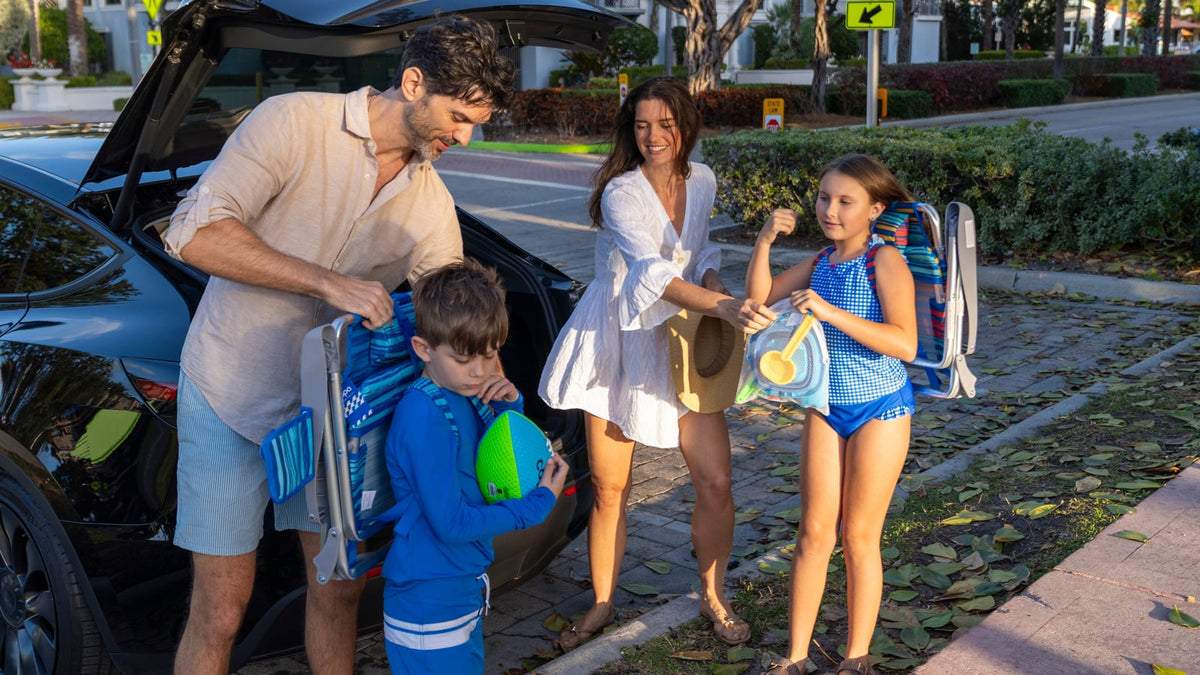
Most families don't forget the sunscreen. They forget the second bag of snacks, the extra towels, the shade anchor that actually holds in a gust, and the dry change of clothes that would have saved the entire car ride home. A family beach day is one of the most joyful experiences summer can offer, but the difference between a day that flows and a day that unravels almost always comes down to what you packed, and more importantly, how you packed it. This is the family beach vacation packing list built not around what's obvious, but around what experienced beach families have learned through trial, error, and a few too many sandy catastrophes.
What follows isn't a generic checklist you can find on any travel site. It's a ranked, section-by-section guide that prioritizes items by actual impact on your family's comfort, safety, and sanity. Each section explains not just what to bring, but why it matters and how to use it properly. Whether you're planning your first family beach vacation or you're a seasoned shore parent trying to tighten up your system, this guide will help you leave nothing important behind.
#1: Shade Infrastructure (The Highest-Impact Item on Your List)
Nothing determines the success of a family beach day more than shade. Sun exposure is the number one reason families pack up early, and young children, particularly infants and toddlers, have skin that burns significantly faster than adults. Before you think about snacks, chairs, or toys, your shade setup should be the first thing planned and the first thing set up when you arrive.
Why Shade Comes Before Everything Else
The logic is simple: without reliable shade, every other item on your list becomes less useful. The best beach snacks go untouched when kids are overheated. The nicest chairs go unoccupied when parents are scrambling to re-anchor a collapsing umbrella. Shade is the foundation of your beach base camp, and it needs to be stable, generous in coverage, and fast to deploy.
The biggest mistake families make with beach shade is underestimating wind. A lightweight market umbrella that works perfectly in your backyard will spin, tilt, or collapse entirely once it meets a real ocean breeze. This is why the anchoring mechanism matters as much as the canopy itself.
What to Look For in a Beach Shade Solution
Copa's shade structures are built around their patented Anchor Max® technology, which is engineered specifically for the challenges of beach environments. Sand is inherently unstable compared to soil, and a standard pole pushed into the ground offers minimal resistance against lateral wind force. The Anchor Max® system creates a more secure foundation in sand, so the structure stays put even when conditions change throughout the day.
When evaluating any beach shade product, ask four questions: Does it anchor securely in sand? How large is the actual shaded footprint? How quickly can one adult deploy it? And does it pack down to a size that's manageable for your family's load-in?
For families with young children, a beach cabana or tent-style shade structure often provides better coverage than a traditional umbrella because it shields from multiple angles, including lower-angle morning and afternoon sun. Umbrellas are excellent for adults who want targeted shade over a single chair; full-canopy structures protect children playing on the sand around the base.
Shade Packing Checklist
- Beach umbrella with a screw-in or Anchor Max® style anchor system
- Beach cabana or sun shelter for young children (UPF 50+ rated fabric preferred)
- Ground stakes or anchor weights as backup for windy days
- Guy lines or sand anchors for extra stability on exposed shorelines
Pro tip: Arrive early and set up shade before the rest of the family unpacks. Claiming a good spot and getting the structure stable is a two-minute task that pays dividends all day.
#2: Seating That Actually Works for Your Whole Group
The right beach seating transforms passive sitting into genuine comfort, and the wrong chairs create back pain, frustration, and early departures. For families, seating needs vary dramatically within a single group: a grandparent needs lumbar support and a higher seat height, parents need chairs they can shift in and out of quickly while managing kids, and older children want something that doesn't feel like a lawn chair from 1995.
Beach Chair Categories and Who They're For
Standard low-slung beach chairs sit close to the sand and are excellent for adults who want to stretch out and relax. They're less ideal for older adults or anyone with knee or hip issues, because the low seat-to-ground ratio makes getting up and down more physically demanding. Higher-profile beach chairs with a seat height closer to a standard outdoor chair solve this problem for multigenerational groups.
Copa's beach chair lineup is designed with comfort and durability as dual priorities. The frames are built to handle the corrosive salt air environment that degrades cheaper chairs over a single season, and the fabric is selected for both comfort and ease of rinsing clean. For families who visit the beach regularly throughout the season, this durability difference is financially meaningful: replacing cheap chairs every year costs more than investing once in quality gear.
How Many Chairs Do You Actually Need?
A common packing mistake is underestimating seating. Many families bring two adult chairs and assume kids will play in the sand. That works for the first hour. By midday, everyone wants a seat. A practical rule: bring one chair per adult, plus one extra for the family base (used for gear staging, a resting child, or a visiting relative).
For toddlers and young children, consider a compact low chair or a beach lounger that lets them nap safely in the shade of your umbrella. Kids who have their own defined "spot" tend to stay closer to the family base, which also makes supervision easier.
Seating Packing Checklist
- One premium beach chair per adult (prioritize back support and armrests)
- One additional chair for gear staging or the eldest child
- A compact low lounger or padded mat for toddlers and napping children
- A small towel roll or lumbar cushion for anyone with back sensitivity
Copa's bundled packages, including the Deluxe Bundle and Essentials Bundle, pair chairs with shade solutions so everything is sized, styled, and designed to work together. This matters more than it seems: a chair that's taller than your umbrella's lowest edge defeats the purpose of the shade structure. Coordinated systems eliminate that kind of friction before it starts.
#3: Sun Protection Beyond the Umbrella
Shade structures block overhead sun, but UV radiation bounces off sand and water, reaching skin from below and at angles that no umbrella fully blocks. A complete sun protection strategy for a family beach day requires layered defense, not a single product.
Sunscreen: The Right Product, Applied the Right Way
The American Academy of Dermatology recommends using a broad-spectrum sunscreen with SPF 30 or higher, applied 15 minutes before sun exposure and reapplied every two hours, or immediately after swimming. For young children, mineral-based sunscreens (zinc oxide or titanium dioxide) are widely recommended because they sit on top of the skin rather than being absorbed, and they begin working immediately upon application.
The quantity mistake is universal: families consistently apply far less sunscreen than is needed for adequate protection. The AAD guideline is one ounce (roughly a shot glass) for an adult's full body. For a family of four spending six hours at the beach with multiple reapplications, that means bringing far more sunscreen than most families pack.
Sun-Protective Clothing and Accessories
UPF-rated rash guards and swim shirts are among the most practical items for children at the beach. They eliminate the need to constantly reapply sunscreen to the torso during water play, reduce the risk of missed spots, and dry quickly. Wide-brim hats rated UPF 50+ protect the face, ears, and neck, which are high-exposure areas that sunscreen alone often misses due to sweat and water exposure.
For infants under six months, the American Academy of Pediatrics advises keeping them out of direct sun entirely and using physical barriers like a UPF-rated cover over a stroller or carrier rather than applying sunscreen to their skin.
Sun Protection Packing Checklist
- Broad-spectrum SPF 50+ sunscreen (bring more than you think you need)
- Mineral sunscreen stick for face reapplication (easier to use on wriggling kids)
- UPF 50+ rash guards or swim shirts for every child
- Wide-brim sun hats for adults and children
- UV-blocking sunglasses for adults and kids old enough to keep them on
- Lip balm with SPF
- Aloe vera gel for end-of-day skin soothing
#4: Hydration and Nutrition (The Category Most Families Under-Pack)
Heat, physical activity, and salt air create a hydration demand at the beach that most families dramatically underestimate. Children are particularly vulnerable to dehydration because they lose fluids faster relative to their body weight than adults, and they are often too engaged in play to notice or report thirst.
How Much Water to Bring
A practical baseline: one liter of water per person for every two hours at the beach, adjusted upward for high heat, high activity, or very young children. For a family of four planning a five-hour beach day, that's a minimum of ten liters of water, not including beverages for meals or snacks. This surprises most families when they do the math, but running out of water mid-afternoon is one of the most common reasons beach days end early or become uncomfortable.
Insulated water bottles maintain temperature for extended periods and are far more practical than single-use plastic bottles, which heat up quickly and contribute to beach waste. A quality insulated cooler bag keeps drinks and food cold throughout the day.
Beach-Smart Snack Strategy
The ideal beach snack is non-melting, easy to eat with sandy hands, filling, and doesn't require refrigeration for short periods. Whole fruits like grapes, watermelon, and orange slices do double duty as both food and hydration. Nut butter packets, whole grain crackers, trail mix, and cheese sticks hold up well in a cooler. Avoid chocolate, anything cream-based, or snacks in packaging that's difficult to reseal, because sand will find its way in.
For full beach day meals, sandwiches packed in airtight containers stay fresher longer than wrapped alternatives. Ice packs are non-negotiable for any protein-containing food; the FDA's food safety guidelines recommend keeping perishable food below 40°F to prevent bacterial growth, and beach temperatures make this critical.
Hydration and Nutrition Packing Checklist
- Insulated water bottles (one per person, minimum 32 oz each)
- Large insulated cooler bag or hard cooler with ice packs
- Electrolyte packets or sports drinks for extended active beach days
- Pre-packed snacks in airtight, resealable containers
- Full sandwiches or wraps for a midday meal
- Baby food pouches and formula (if applicable) in a separate cooler
- Reusable utensils and plates (avoids floppy paper plates in the wind)
- Trash bags for food waste (leave no trace)
#5: Safety Essentials That Belong in Every Family Beach Bag
Beach environments present a specific set of safety risks that differ from other outdoor settings, and a well-prepared family has a dedicated safety kit that travels to the beach every single time. This isn't about fear; it's about being the family that handles a jellyfish sting, a cut foot, or a sudden fever calmly instead of scrambling.
Water Safety
For families with young children, water safety is the highest-stakes item on the entire list. The American Red Cross recommends life jackets for young children and weak swimmers near open water, regardless of how shallow the entry point appears. Rip currents, unexpected wave surges, and the disorientation children experience in salt water make even knee-deep surf potentially hazardous.
Designate one adult as the "water watcher" at all times, a role where that person's sole responsibility is watching children in or near the water, not checking a phone, not having a conversation. Rotate the role every 30 minutes to maintain focus.
First Aid for Common Beach Injuries
The most common beach injuries for families are sunburn, cuts from shells or rocks, jellyfish stings, and minor abrasions from sand or coral. A compact first aid kit built for beach conditions should include:
- Adhesive bandages (waterproof) in multiple sizes
- Sterile gauze and medical tape
- Antiseptic wipes and antibiotic ointment
- Tweezers (for splinters and embedded shell fragments)
- Hydrocortisone cream (for insect bites and mild skin reactions)
- Antihistamine tablets and children's liquid antihistamine
- Children's pain reliever and fever reducer
- After-bite or sting relief spray or vinegar packets (for jellyfish)
- Emergency contact card with local beach patrol number
The Items Parents Forget Most Often
Beyond the standard kit, a few items are consistently missing from family beach bags: a charged portable battery pack (for a phone that's been tracking GPS and playing music all day), a written list of emergency contacts and the nearest urgent care facility, and a small amount of cash for parking meters, beach vendors, or emergencies when cell service fails at payment terminals. Also frequently forgotten: a waterproof phone case or dry bag for phones and car keys near the water.
#6: Beach Gear for Kids That's Actually Worth Packing
The beach toy category is where families most often over-pack unnecessary items and under-pack the few things that genuinely extend playtime and reduce conflict. Children don't need a full toy store at the beach. They need a few well-chosen, durable tools that work in sand and water.
The Core Kids' Beach Kit
Sand is the best toy at the beach, and the items that let children interact with it creatively are worth their weight in the bag. A quality set of sand buckets and molds, a few digging tools, and a mesh bag to hold them covers 80% of what young children actually play with. The mesh bag serves double duty: it holds toys during the day and can be dipped in the surf to rinse sand off before packing up.
For older children, a beach ball, a frisbee, or a paddleball set adds active play options that don't require setup or supervision. Foam pool noodles are inexpensive, versatile in shallow water, and pack flat enough to strap to a beach cart or wagon.
The Beach Cart or Wagon: The Single Most Underrated Piece of Equipment
Families who make the transition from carrying everything by hand to using a beach cart or folding wagon describe it as transformative. The math is straightforward: two adults with four children can't reasonably hand-carry two chairs, a shade structure, a cooler, a diaper bag, a toy bag, and four towels across a long beach access path. A beach wagon with wide, sand-friendly wheels solves this in a single trip.
Look for a wagon with wheels specifically designed for sand (wide, balloon-style tires), a removable liner for easy cleaning, and a weight capacity that covers your full kit. This is a one-time purchase that saves years of exhausting hauls.
Kids' Gear Packing Checklist
- Sand bucket and mold set (2-3 buckets, varied sizes)
- Sand digging tools (shovels and rakes)
- Mesh toy bag for easy rinsing and packing
- Beach ball or frisbee for older kids
- Foam pool noodles for shallow water play
- Waterproof flotation devices for young children (Coast Guard approved)
- Beach wagon or cart with sand wheels
- Goggles for kids who like to put their face in the water
#7: Towels, Bags, and the Wet-Dry Separation System
The end of a beach day is defined by how well you manage the transition from wet and sandy to dry and car-ready, and families who have a system for this leave happier than those who don't. This section addresses the items that make post-beach cleanup fast and drama-free.
Towel Strategy for Families
The minimum is one large beach towel per person. The practical reality is two per person: one for drying off after swimming and one for sitting on or wrapping up in later. Microfiber towels have become the preferred choice for beach families because they dry far faster than cotton, take up significantly less space in a bag, and are lighter to carry. A family of four can pack eight microfiber towels in the space that four cotton towels would occupy.
Designate one oversized "sand towel" as the changing station for young children. Lay it on the ground when changing diapers or swapping into dry clothes; it keeps the child off hot sand and gives a clean surface to work on.
The Wet-Dry Separation System
One of the most practical organizational habits for beach families is having a designated wet bag or waterproof stuff sack specifically for wet swimwear, sandy toys, and damp towels. Pack everything wet in this bag before loading the car. It protects dry items, prevents mildew from developing in a sealed beach bag, and makes laundry sorting easier when you get home.
Waterproof dry bags are also useful for protecting valuables like car keys, phones, wallets, and any electronics you bring to the beach. A small 5-liter dry bag kept inside your main beach bag gives you a secure waterproof compartment without requiring a dedicated case for each item.
Towels and Bag Packing Checklist
- Two microfiber beach towels per person
- One oversized changing towel for young children
- Waterproof wet bag for wet/sandy items (pack extra bags for sandy toys)
- Waterproof dry bag for valuables and electronics
- Large tote or wheeled beach bag as the main carrier
- Mesh bag for shoes (to keep sand contained)
#8: Clothing and Footwear Built for the Beach Transition
What you wear to the beach and what you change into afterward matters more than most families acknowledge when packing. The right footwear prevents burns from hot sand and cuts from hidden shells. The right cover-up extends your shade protection during midday. And a complete dry change of clothes for every child in the group is the single most common item parents wish they had packed.
Footwear for Every Age Group
Sand can reach temperatures that cause burns on bare feet during peak afternoon hours. Water shoes or beach sandals with secure straps are appropriate for young children who will be moving between the water, hot sand, and rocky areas. Adults who prefer bare feet should still pack a pair of flip-flops or sandals for the walk to and from the car and for navigating parking lot pavement.
Avoid bringing footwear with complex lacing, suede, or fabric that absorbs water and takes days to dry. Simple rubber or EVA foam sandals are ideal for beach use: they rinse clean in seconds and dry before you reach the car.
Cover-Ups, Layers, and the Post-Beach Chill
Ocean breezes can drop the effective temperature dramatically in the late afternoon, even on a hot summer day. Lightweight hoodies, long-sleeve rash guards, and a pair of dry pants for each child in the group cover you for the end-of-day transition. Parents who pack only swimwear often find themselves cold and rushing to leave earlier than they'd like.
For infants and toddlers, pack at least two complete outfit changes including dry diapers, because swimwear and a swim diaper alone don't provide warmth once a child is out of the water and in shade.
Clothing and Footwear Packing Checklist
- Swimwear (plus one backup swimsuit for each child)
- UPF-rated rash guards and swim shirts
- Wide-brim sun hats for everyone
- Cover-ups or lightweight long-sleeve layers for midday sun and afternoon chill
- One complete dry outfit change per person (non-negotiable for children)
- Water shoes or secure-strap sandals for children
- Flip-flops or slip-on sandals for adults
- Dry socks and shoes for the drive home (prevents wet car seats)
#9: Comfort Extras That Separate a Good Day from a Great One
Beyond the essentials, a handful of comfort-focused items transform a functional beach setup into a genuinely pleasant base camp that your family will want to return to all season. These aren't luxury items; they're practical additions that address the small discomforts that accumulate over a long day and send families packing before they're ready to leave.
Sand Management Tools
Sand is the feature of the beach and also its primary inconvenience. A few targeted items make a significant difference in keeping your base area manageable. A sand-free beach mat or blanket (made from mesh or tightly woven fabric that allows sand to fall through rather than accumulating on top) keeps the area around your chairs clean and gives children a sand-free play surface for eating or resting.
A small handheld brush or broom for sweeping sand off chairs and out of bags before packing up saves ten minutes of unpacking and cleanup at home. Baby powder is a long-standing beach hack for removing dry sand from skin: apply a small amount to sandy skin and the sand brushes off cleanly without clinging. A small bottle adds almost no weight to your bag.
Shade and Comfort Add-Ons
A portable rechargeable fan is a meaningful comfort upgrade for hot, still days when the ocean breeze isn't cooperating. Clip-on models that attach to a beach chair or canopy pole direct airflow exactly where it's needed. A compact battery-operated Bluetooth speaker makes the day feel more like a celebration than a logistics exercise, particularly for families who enjoy having background music. Lightweight and waterproof models handle the beach environment well.
A small portable table or tray that attaches to a beach chair arm keeps drinks, sunscreen, and phones organized and off the sand. It's a minor convenience that becomes significant when you're managing multiple children and trying to keep track of everything at once.
Comfort Extras Packing Checklist
- Sand-free beach mat or mesh blanket
- Baby powder (for removing dry sand from skin)
- Small soft brush for sweeping sand off gear before packing
- Portable rechargeable clip fan
- Waterproof Bluetooth speaker
- Lightweight portable side table or chair tray
- Sunglasses case (to keep glasses clean and unbroken in the bag)
- Book, magazine, or e-reader in a waterproof sleeve for reading adults
#10: Organization Systems That Make Packing and Unpacking Effortless
The way you organize your beach gear is as important as what you bring, because a disorganized bag means wasted time searching for sunscreen during a burn, missing snacks when a child is hungry, and forgotten items left on the sand when you pack up. Families who use a consistent organization system spend less mental energy managing logistics and more time enjoying the day.
The Zone Packing Method
Organize your beach bag by zone rather than by category. The top zone holds items you'll access constantly: sunscreen, snacks, water bottles, and first aid. The middle zone holds items you'll access occasionally: extra clothing, towels, and electronics. The bottom zone holds items you set up once and don't touch until packing: stakes, sand anchors, and spare bags. This system means you're never digging to the bottom of the bag for sunscreen while a child waits.
For families using a beach wagon, apply the same logic to load order: items you need last (shade poles, chairs) go in first, at the bottom. Items you need first (sunscreen, snacks, towels) go in last, on top. You'll unpack in exactly the right sequence.
The Night-Before Prep Routine
Families who pack the night before consistently report less stress and fewer forgotten items than those who pack the morning of. Create a master checklist (like this one) and run through it the evening before your beach day. Refrigerate perishable snacks and ice packs overnight. Lay out all clothing items. Charge portable batteries and speakers. Mix sunscreen into a single, consolidated bag rather than hunting for it in multiple bathroom cabinets.
A laminated version of your family's personalized beach checklist stored in the beach bag is a practical tool: it costs almost nothing to create, eliminates the mental load of trying to remember everything on the morning of departure, and can be updated over time as your family's needs evolve.
Organization Packing Checklist
- Large main beach bag with multiple compartments or packing cubes
- Separate labeled pouches for sunscreen, first aid, snacks, and electronics
- Laminated master checklist stored in the bag
- Beach wagon or cart with sand-appropriate wheels
- Bungee cords or straps for securing gear to the wagon
- Reusable labeled zip bags for organization inside the main bag
The Master Comparison Table: What to Bring and Why It Ranks Here
| Priority Rank | Category | Key Items | Impact if Missing | Families Most Affected |
|---|---|---|---|---|
| 1 | Shade Infrastructure | Umbrella, cabana, Anchor Max® system | ⚠️ Day ends early; sunburn risk for children | All families, especially those with infants |
| 2 | Seating | Premium beach chairs, toddler lounger | ⚠️ Physical discomfort, early departure | Multigenerational groups, adults with back issues |
| 3 | Sun Protection | Sunscreen, rash guards, hats | ❌ Sunburn, long-term skin damage risk | All families; critical for fair-skinned children |
| 4 | Hydration and Nutrition | Water bottles, cooler, snacks, meals | ❌ Dehydration, hunger, shortened day | Families with toddlers and young children |
| 5 | Safety Essentials | First aid kit, life jackets, dry bag | ❌ Inability to handle medical situations | All families with children near open water |
| 6 | Kids' Beach Gear | Sand toys, wagon, noodles, goggles | ⚠️ Reduced play engagement, child frustration | Families with children ages 2-12 |
| 7 | Towels and Bags | Microfiber towels, wet bag, dry bag | ⚠️ Wet car, sandy gear, uncomfortable departure | All families |
| 8 | Clothing and Footwear | Dry change of clothes, water shoes, cover-ups | ⚠️ Cold, uncomfortable ride home for children | Families with young children |
| 9 | Comfort Extras | Sand mat, fan, speaker, baby powder | ✅ Day is still good, just not as enjoyable | Families who stay for full-day sessions |
| 10 | Organization Systems | Zone packing, labeled pouches, master checklist | ✅ Day is still manageable, but more stressful | Frequent beach families who want to optimize |
How Copa's Bundle System Simplifies the Entire Packing Process
One of the practical challenges families face when building out their beach kit is buying components from multiple sources and then discovering they don't work well together. A shade umbrella from one brand, chairs from another, and an anchor from a third often results in mismatched sizing, incompatible accessories, and a setup that feels cobbled together rather than designed as a system.
Copa's approach is to solve this problem at the point of purchase. The Deluxe Bundle and Essentials Bundle pair chairs and shade solutions that are designed, sized, and styled to function as a coordinated unit. The Anchor Max® technology is integrated into the shade components, meaning the anchor system that ships with your umbrella or cabana is specifically engineered for that product, not a generic aftermarket solution.
For families planning their first major beach investment, this matters practically: you don't need to research umbrella pole diameters, anchor compatibility, or chair-to-umbrella height ratios. The bundle is designed so that everything works together on arrival. Copa also offers free shipping on bundles, which removes the friction of separate shipping costs when ordering multiple large items.
For families who visit the beach regularly, this kind of investment pays off across a season. Durable, well-matched gear that survives salt air, sand abrasion, and repeated use over multiple summers has a total cost of ownership that compares favorably to replacing cheaper gear each year.
You can explore Copa's full beach setup approach in more detail on the complete beach setup guide for families, which covers not just what to bring but how to arrange and deploy everything once you arrive.
Frequently Asked Questions About the Family Beach Packing List
What is the single most important item to bring to the beach with kids?
Reliable shade is the most impactful item for families with young children. Without it, sun exposure limits how long children can safely stay at the beach, and everything else on your list becomes less useful. A shade structure with a secure anchoring system like the Anchor Max® should be the first thing you set up and the last thing you pack.
How do I keep sand out of my beach bag?
Use a bag with a zippered main compartment and keep it closed when not actively accessing it. Store shoes in a separate mesh bag rather than dropping them into the main bag. A sand-free beach mat at your base camp reduces the amount of sand that gets kicked up and into open bags. Shake everything out before repacking at the end of the day.
How much water should I bring to the beach for a family of four?
A practical starting point is one liter per person per two hours at the beach. For a family of four spending five to six hours at the shore on a hot day, plan for a minimum of 10 to 12 liters total, not counting beverages consumed with meals. Insulated water bottles and a quality cooler are essential for keeping water cold throughout the day.
What should I pack for a beach day with a toddler or infant?
For infants and toddlers, prioritize: a UPF-rated shade tent or cabana that provides full coverage (not just overhead shade), mineral-based sunscreen for any exposed skin, a swim diaper plus two backup diapers, two complete outfit changes, a lightweight carrier or stroller with a UV-protective cover, and a portable sound machine if nap time overlaps with the beach day. Keep a small cooler specifically for breast milk, formula, or baby food.
Should I use an umbrella or a beach tent for shade?
For families with young children, a beach tent or cabana provides more complete protection because it shields from low-angle sun and wind from multiple directions. Umbrellas are better suited for adults who want targeted overhead shade while seated. Many families use both: an umbrella positioned over adult seating and a tent or cabana over the children's play area. Copa's Anchor Max® technology applies to both configurations, ensuring stability regardless of which you choose.
What's the best way to organize a beach bag for a family?
Use a zone packing system: the top layer holds items you need constantly (sunscreen, snacks, water, first aid), the middle layer holds items you access occasionally (extra clothes, electronics, towels), and the bottom layer holds items you only touch at setup and packdown (anchor equipment, spare bags). Labeled zip pouches inside the bag prevent items from mixing. Run through a master checklist the night before to avoid morning-of scrambles.
What do most families forget to pack for the beach?
The most commonly forgotten items are: a charged portable battery pack for phones, a complete dry change of clothes for every child (not just a backup swimsuit), a waterproof case or dry bag for car keys and phone, baby powder for removing dry sand from skin, a trash bag for food waste, and a written list of emergency contacts including the nearest urgent care. Many families also forget to pack enough sunscreen for multiple full reapplications.
Are beach bundles worth buying versus purchasing items separately?
For families who plan to use gear multiple times per season, a quality beach bundle offers meaningful advantages: coordinated sizing, matched aesthetics, integrated accessory compatibility, and simplified purchasing. Copa's bundles are designed so chairs and shade structures work as a system, which eliminates the compatibility guesswork that comes with buying components separately. Free shipping on bundles also removes a friction point that often inflates the total cost of separate orders.
What beach footwear is best for children?
Water shoes with a rubber sole and a secure strap are the most practical option for children at the beach. They protect against hot sand, shell cuts, and slippery surfaces near the water's edge, and they can be worn in the surf. Avoid sandals that rely solely on a toe post (traditional flip-flops), which young children often trip over on uneven sand. Dry them out after each use to prevent mildew and odor.
How do I pack a beach bag the night before to avoid forgetting things?
Create a master checklist based on your family's specific needs and laminate it for reuse. The night before, lay out all clothing items, refrigerate all perishable food and ice packs, charge all electronics (portable battery, speaker, fan), and consolidate all sunscreen and first aid items into their designated pouches. Load the beach wagon or bag in reverse-priority order (items you need last go in first) so you unpack in the right sequence when you arrive.
What beach items are worth splurging on versus buying cheap?
Spend on: shade structures (cheap umbrellas collapse in wind; a quality anchor system protects the entire family), beach chairs (you'll use them for years; back support and durability matter), and insulated coolers (food safety and drink temperature over a full day). Save on: sand toys (children lose and break them), disposable beach mats, and single-use accessories. The items that directly affect health, safety, and structural stability are worth the investment.
Can I bring food to the beach for a full day?
Yes, with proper food safety practices. Use a hard or soft cooler with ice packs to keep perishables below 40°F, as recommended by the FDA. Pack proteins, dairy, and anything mayo-based in the coldest part of the cooler and consume them within two hours of removing from cold storage. Non-perishable snacks like whole fruit, nuts, crackers, and sealed pouches don't require refrigeration and are excellent beach-day choices for minimizing food safety risk.
Key Takeaways
- Shade comes first. A stable, wind-resistant shade structure with a quality anchor system like the Anchor Max® is the highest-impact item on the entire family beach vacation packing list.
- Rank your items by impact, not habit. The items most families forget (dry change of clothes, portable battery, waterproof dry bag) matter as much as the items they always remember.
- Hydration is consistently under-packed. Plan for at least one liter of water per person per two hours, and bring significantly more on hot, active days with young children.
- Sun protection requires layering. Sunscreen alone doesn't protect against sand-bounce UV. Rash guards, UPF hats, and shade structures together create complete protection.
- A beach wagon changes everything. For families with young children, a sand-wheel cart eliminates the most physically exhausting part of a beach day: the load-in.
- Coordinated gear systems outperform mixed components. Copa's bundled approach means chairs, shade, and anchors are sized and designed to work together, eliminating compatibility guesswork.
- Pack the night before. Families who prep the evening before consistently report less stress, fewer forgotten items, and earlier, easier beach arrivals.
- Organization is a multiplier. Zone packing and a laminated master checklist turn a chaotic morning into a smooth departure every single time.
A well-packed family beach day doesn't happen by accident. It's the result of thinking through what each member of your group actually needs, ranking those needs by real impact, and building a system that travels reliably from home to shore and back. Use this guide as your foundation, customize it for your family's specific ages and preferences, and revisit it each season as your children grow and your needs evolve. For more planning resources, Copa's ultimate family beach packing list and the full Beach Tips blog offer additional depth on making every trip to the shore the best one yet.
Shop Now
Learn more →
Share:
Beach Chair Buying Guide: What Families Should Actually Look For
Sun Protection at the Beach: A Practical Guide for Parents with Young Children